อิสรภาพ | ìt-sà-rà-phâap | Independence vs เสรีภาพ | sěe-rii-phâap | Liberty
- Type
- Cultural Concept
- Origin
- Sanskrit & Pali
- Part of Speech
- Noun (คำนาม)

Linguistic DNA
อิสรภาพ — ìt-sà-rà-phâap — Independence
อิสระ (ìt-sà-rà): Derived from the Sanskrit root Īśvara, meaning “Lord,” “Master,” or “Owner.”
ภาพ (phâap): Derived from the Sanskrit Bhāva, meaning “state,” “condition,” or “appearance.”
The Synthesis: Literally translated as “The State of being a Master.” It defines freedom as the condition of answering to no one but oneself.
เสรีภาพ — sěe-rii-phâap — Liberty
เสรี (sěe-rii): Derived from roots meaning “free,” “independent,” or “acting at will.”
ภาพ (phâap): From the Sanskrit Bhāva, meaning “state” or “condition.”
The Synthesis: Literally translated as “The State of being Free.” Unlike ìt-sà-rà-phâap, which focuses on being a “master,” this focuses on the “act” of being free to choose.
Insight Hub
- Difference
อิสรภาพ — ìt-sà-rà-phâap — Independence
This word describes a state of being “unbound.” It is the freedom associated with sovereignty and self-governance.
In Thai thought, this is the freedom of a nation declaring its independence or a person being released from physical or legal captivity.
เสรีภาพ — sěe-rii-phâap — Liberty
This word describes freedom within a system. It is about the “rights” afforded to a person as a member of a society.
It covers civil liberties—freedom of expression, freedom of religion, and the freedom to choose one’s path.
Explore the Library

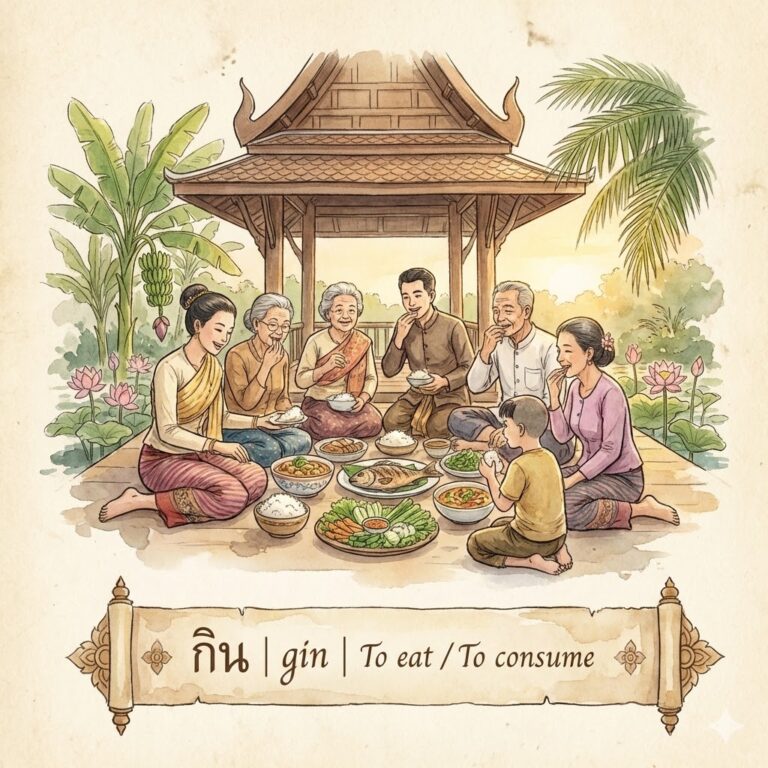
จนถึง | jon-thǔeng | Until / To / Reaching
View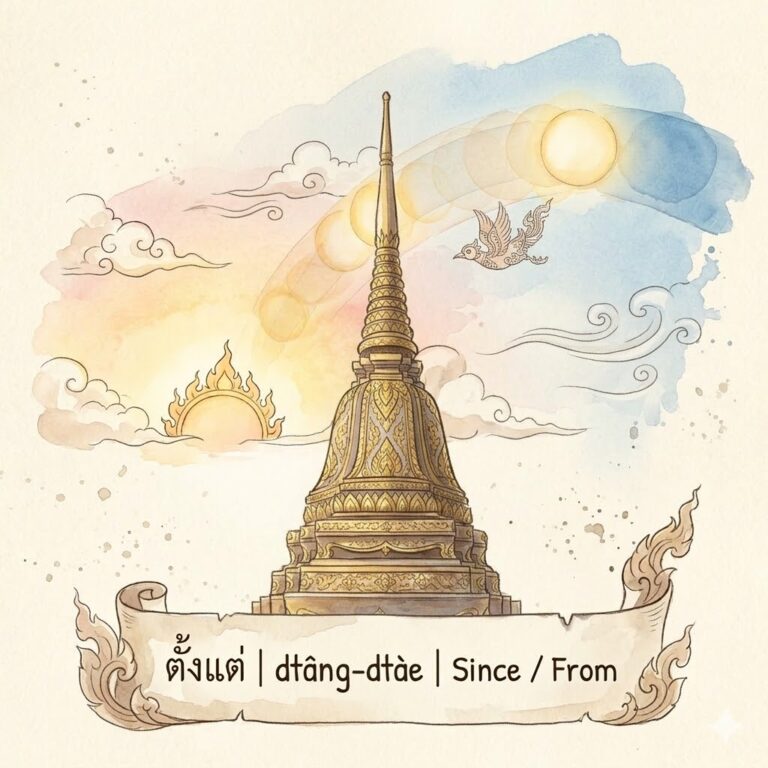
ตั้งแต่ | dtâng-dtàe | Since / From
View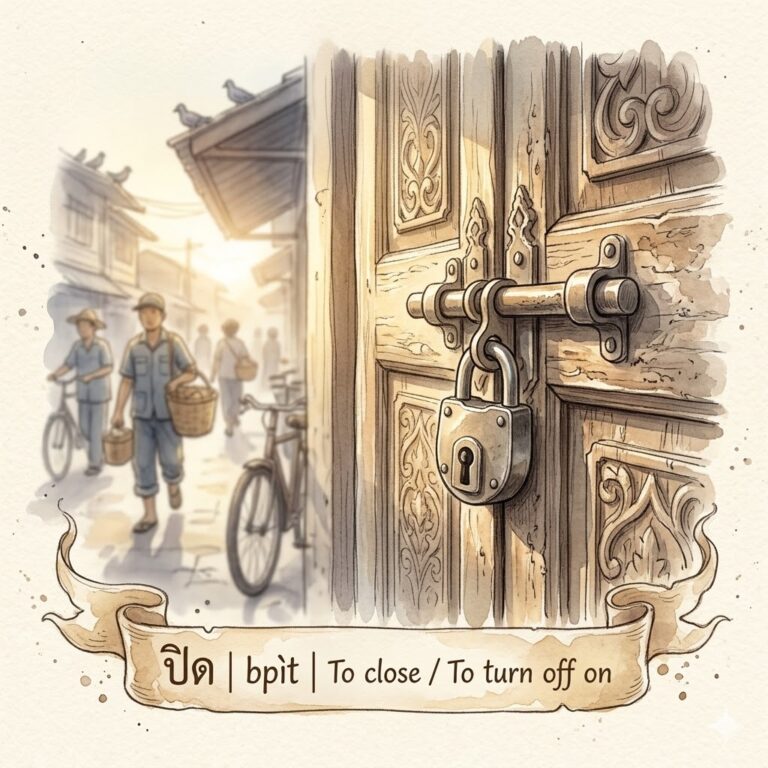
ปิด | bpìt | To close / To turn off
View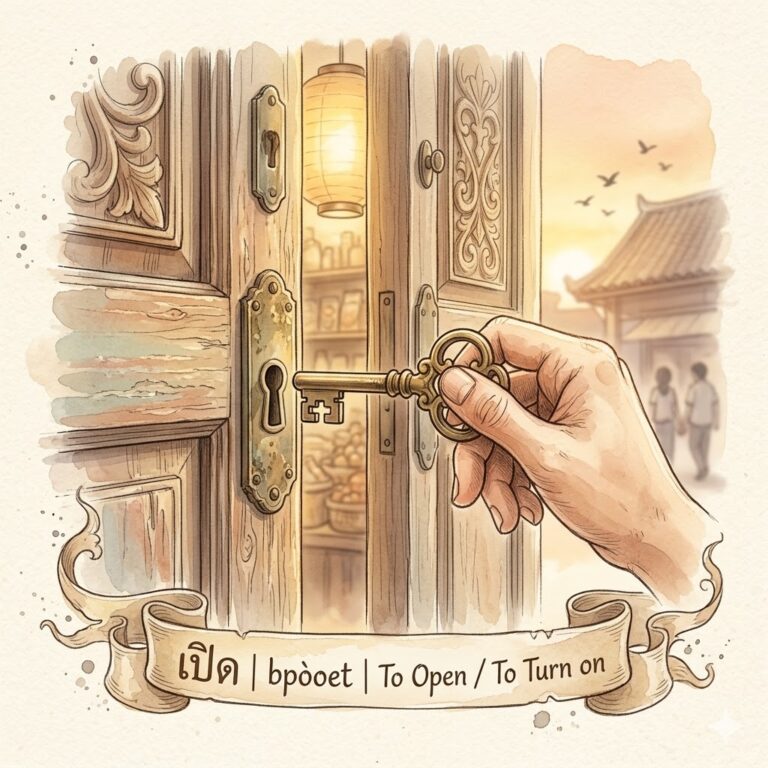
เปิด | bpòoet | To Open / To Turn on
View
เย็น | yen | Cool / Evening
View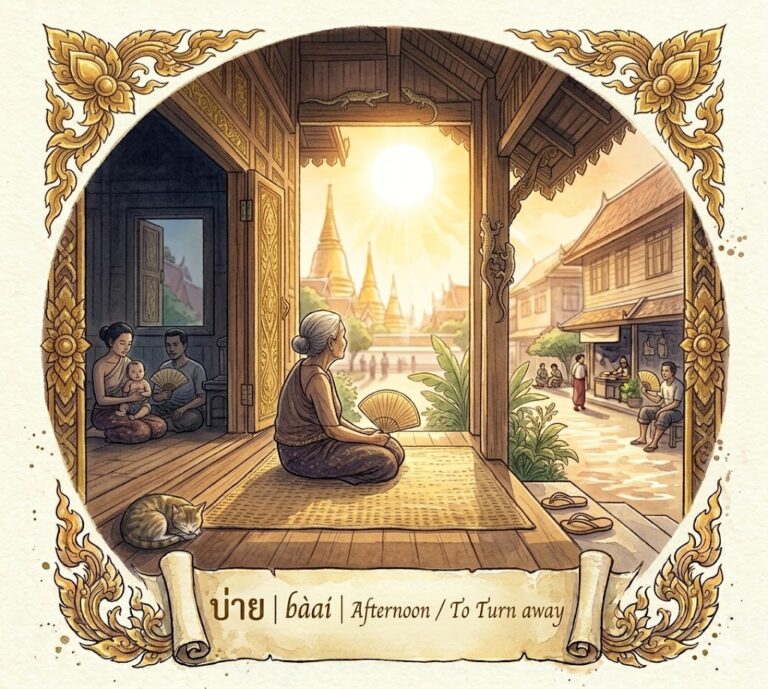
บ่าย | bàai | Afternoon / To Turn away
View
เช้า | cháo | Morning / Early
View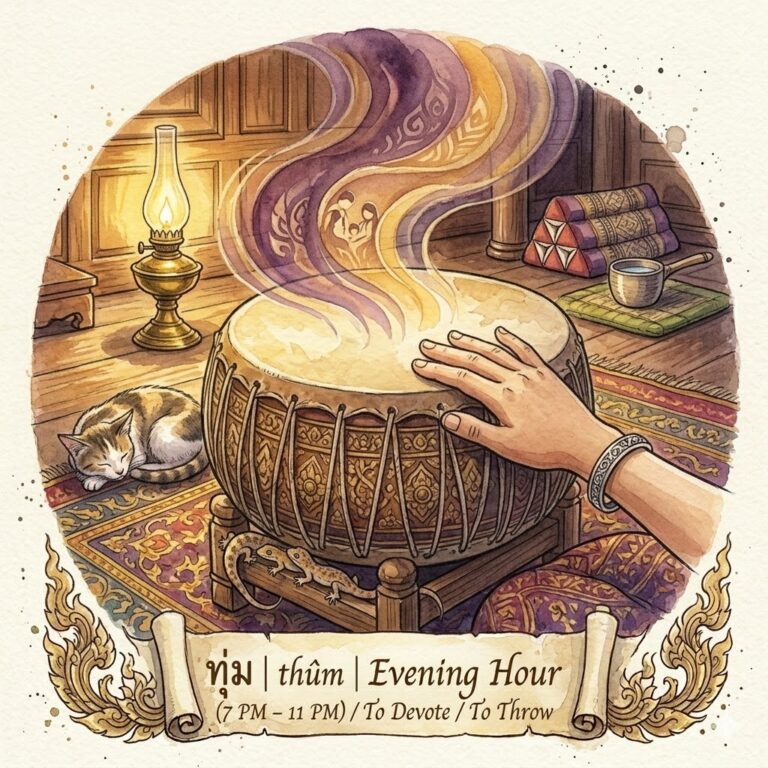
ทุ่ม | thûm | Evening Hour (7 PM – 11 PM) / To Devote / To Throw
View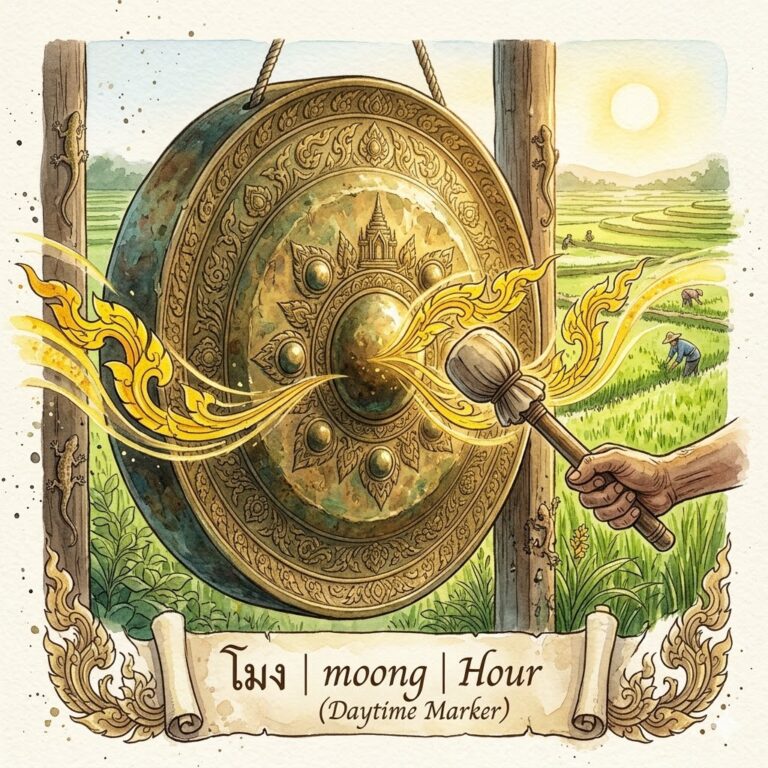
โมง | moong | Hour (Daytime Marker)
View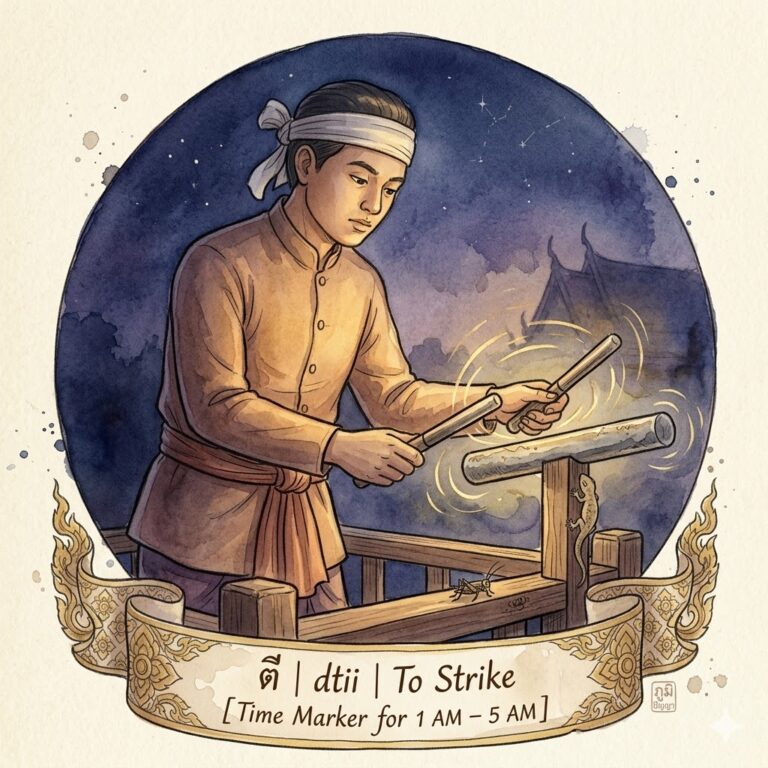
ตี | dtii | To Strike / [Time Marker for 1 AM – 5 AM]
View
วัน | wan | Day
View
คืน | khuuen | Night / To Return
View
วันนี้ | wan-níi | Today
View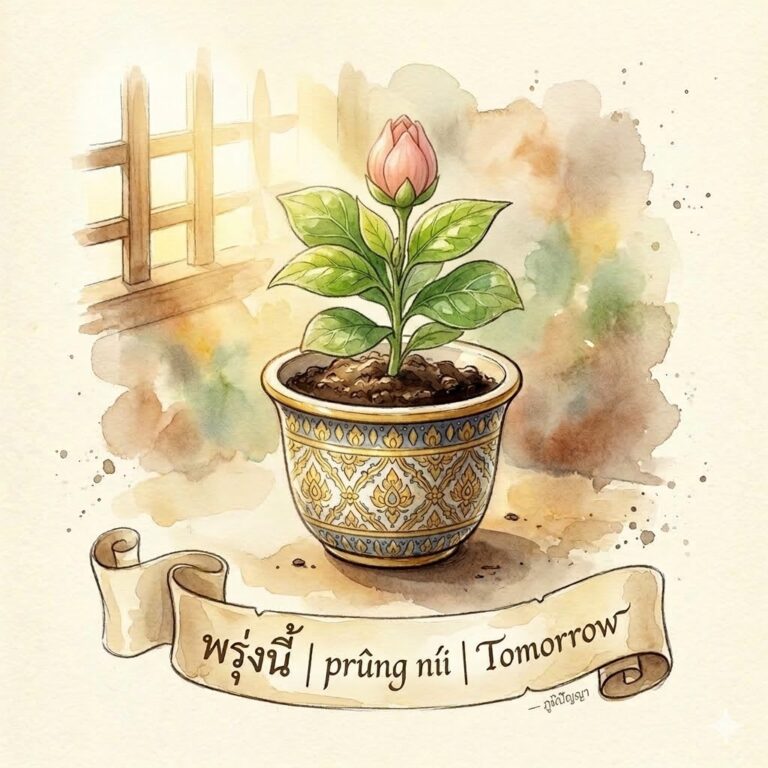
พรุ่งนี้ | prûng níi | Tomorrow
View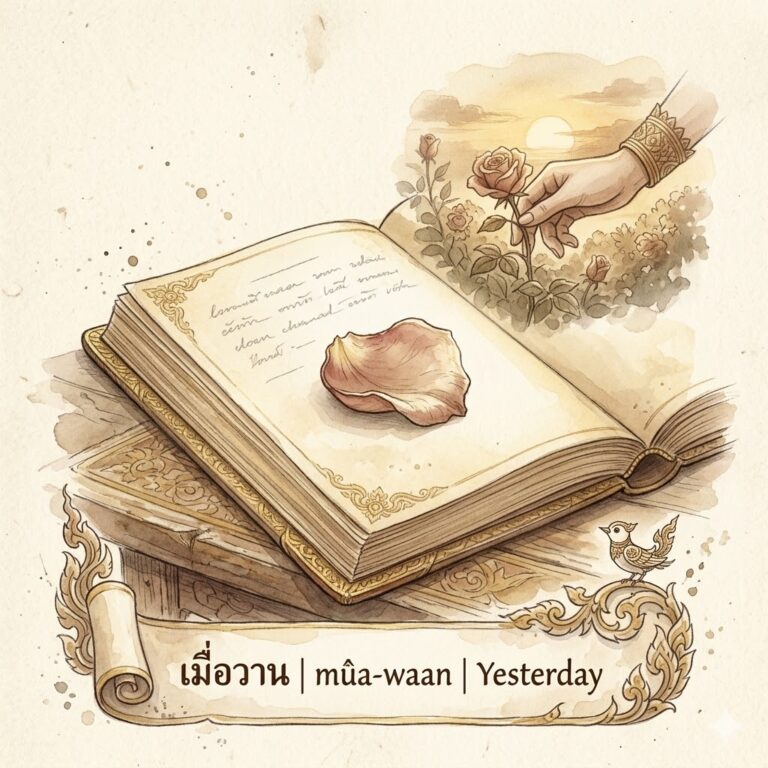
เมื่อวาน | mûea-waan | Yesterday
View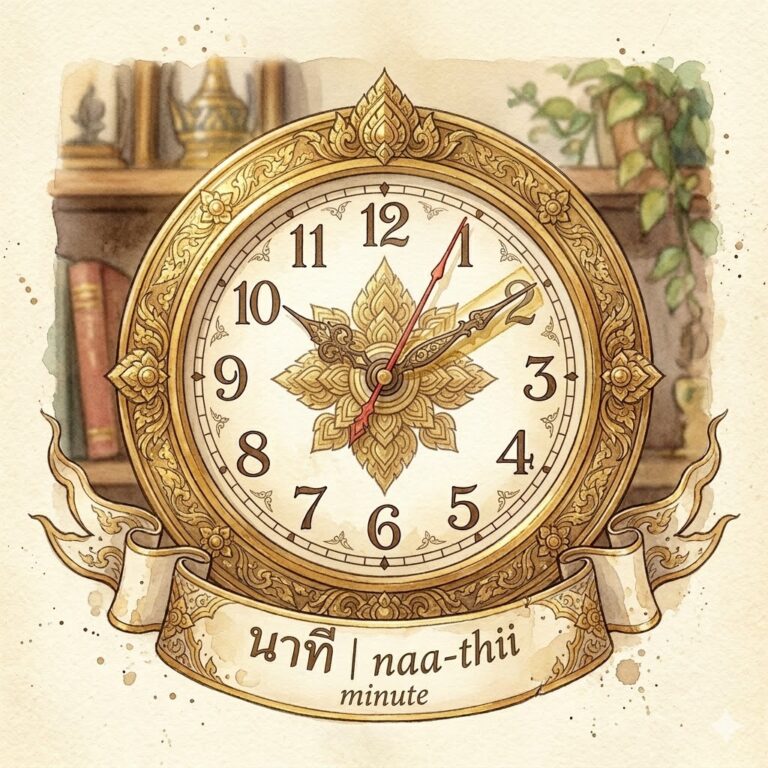
นาที | naa-thii | minute
View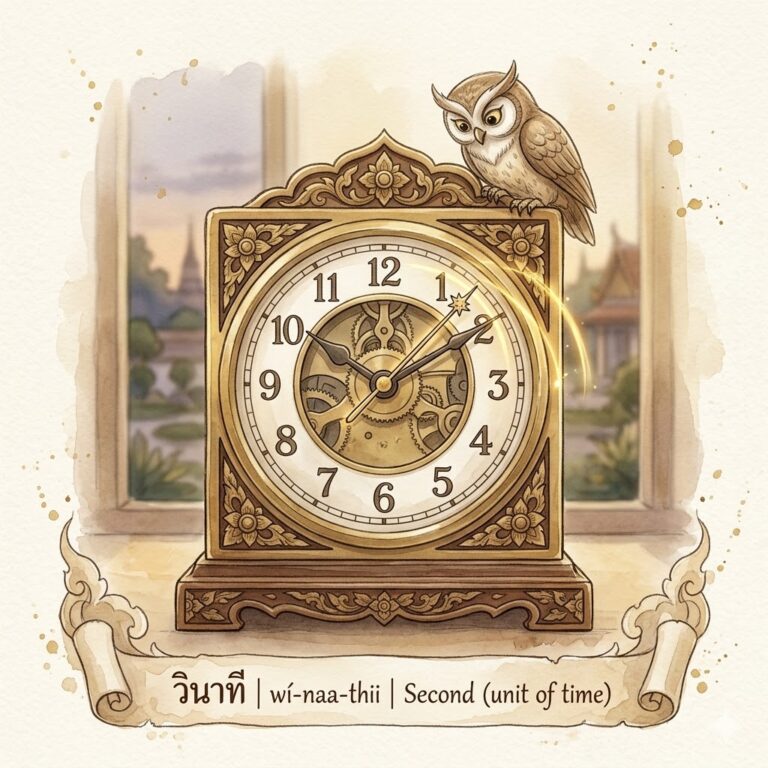
วินาที | wí-naa-thii | Second (unit of time)
View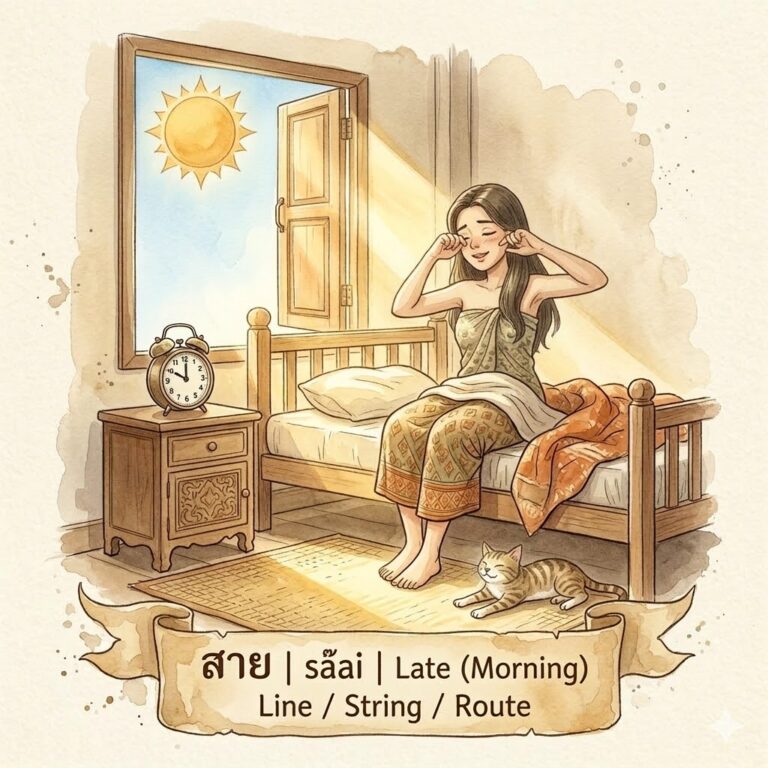
สาย | sǎai | Late (Morning) / Line / String / Route
View
ชั่วโมง | chûa-moong | Hour
View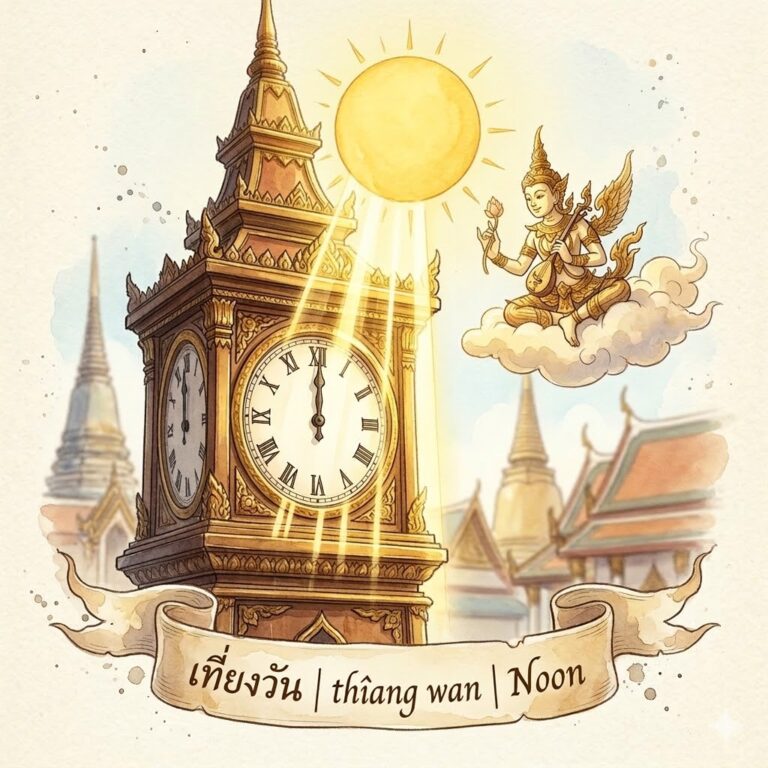
เที่ยงวัน | thîang wan | Noon
View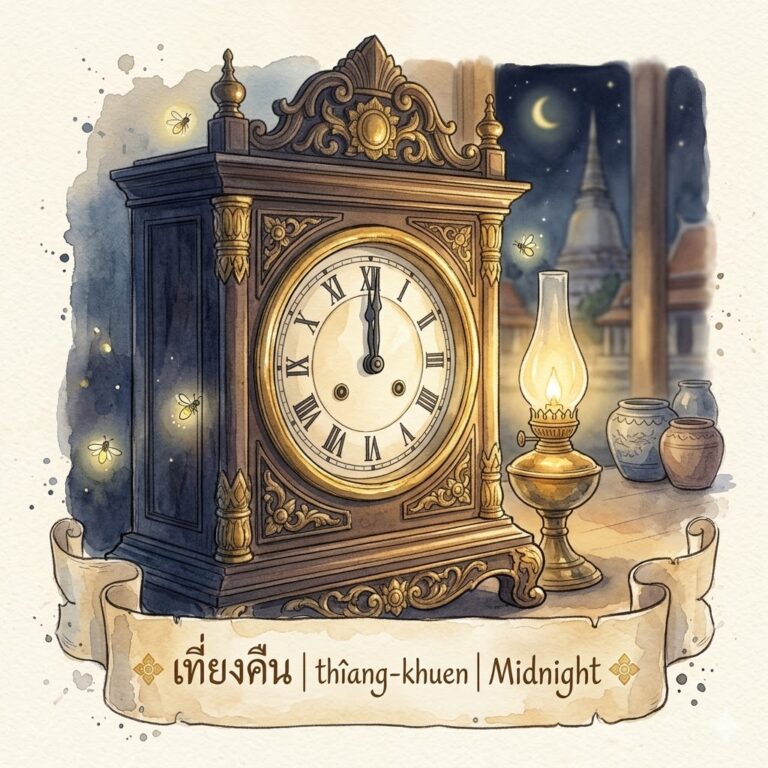
เที่ยงคืน | thîang-khuen | Midnight
View
ขวา | khwǎa | Right (Direction)
View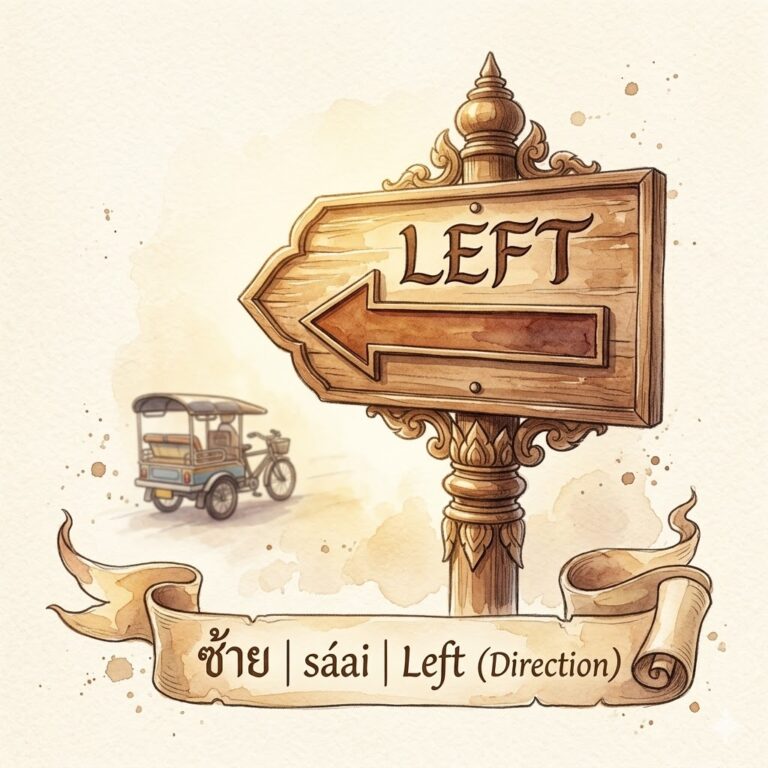
ซ้าย | sáai | Left (Direction)
View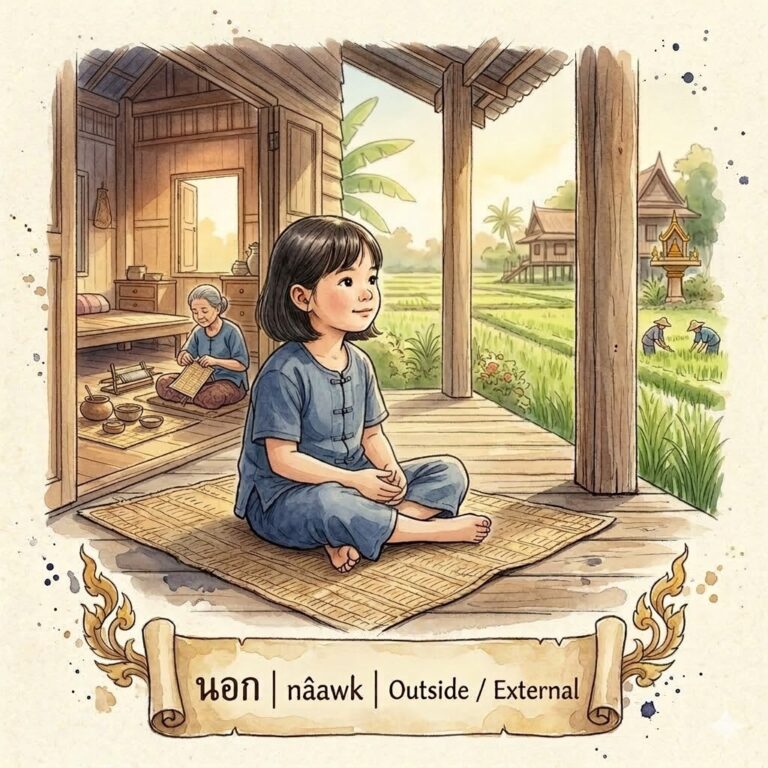
นอก | nâawk | Outside / External
View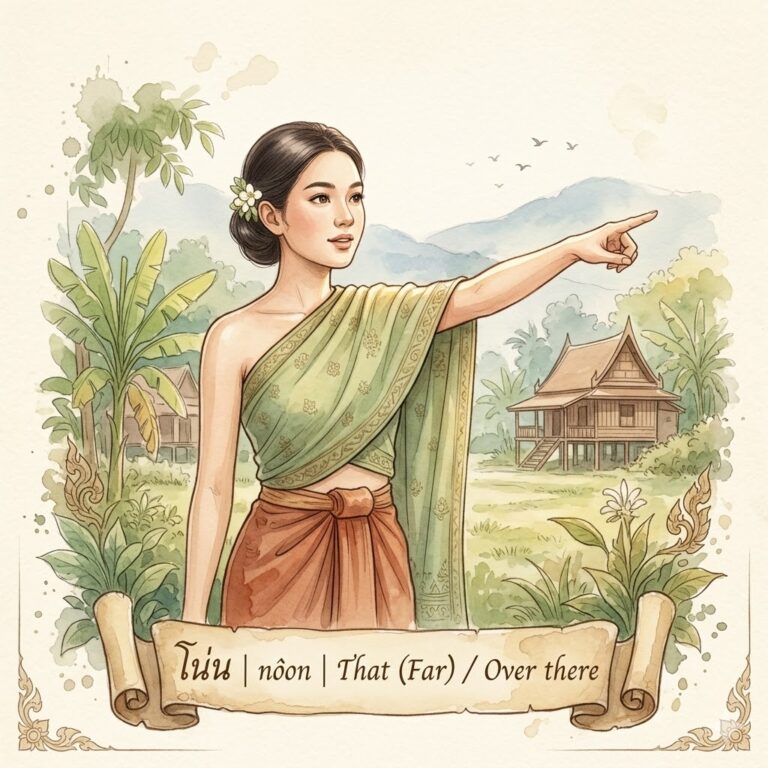
โน่น | nôon | That (Far) / Over there
View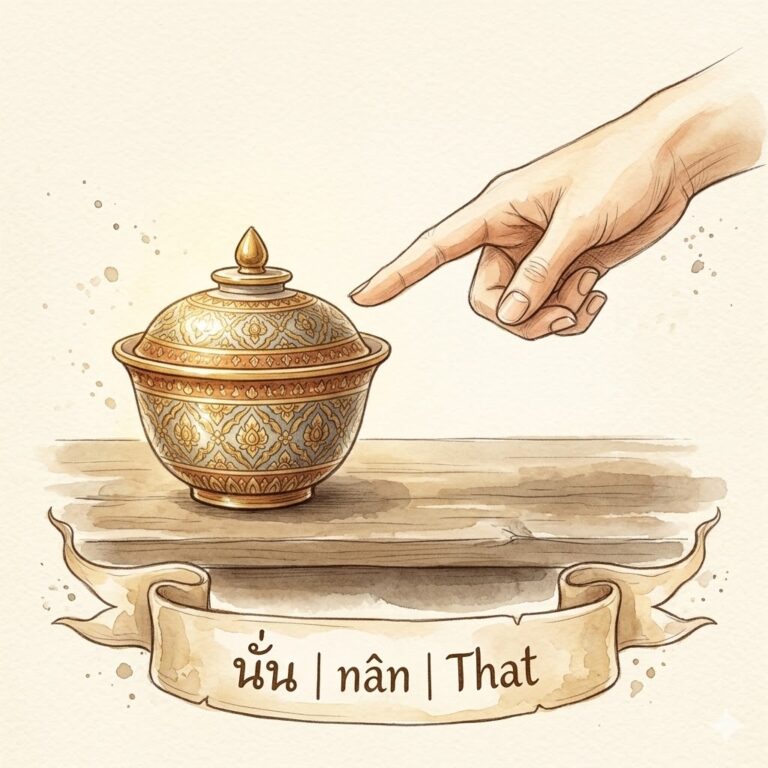
นั่น | nân | That
View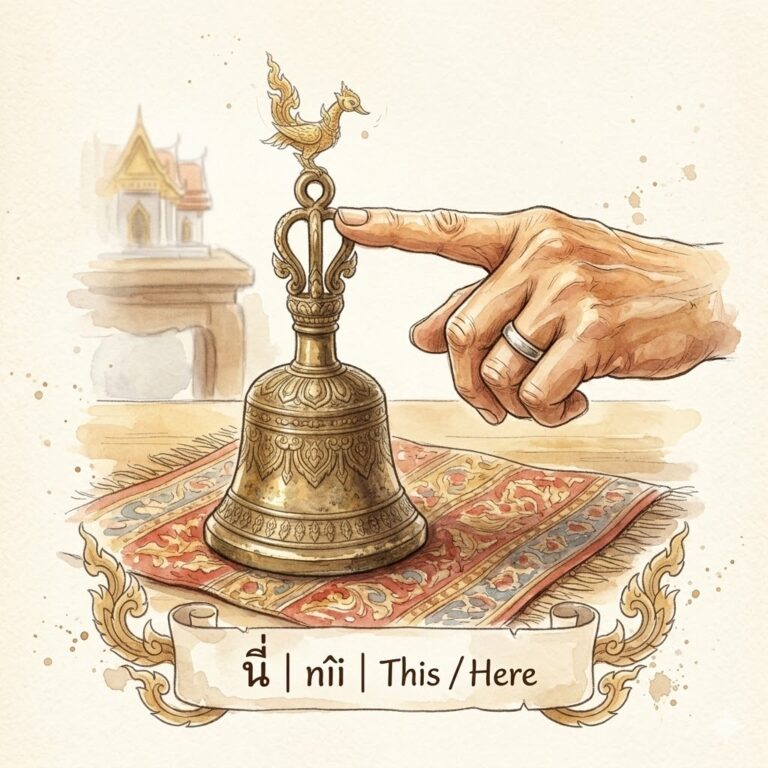
นี่ | nîi | This / Here
View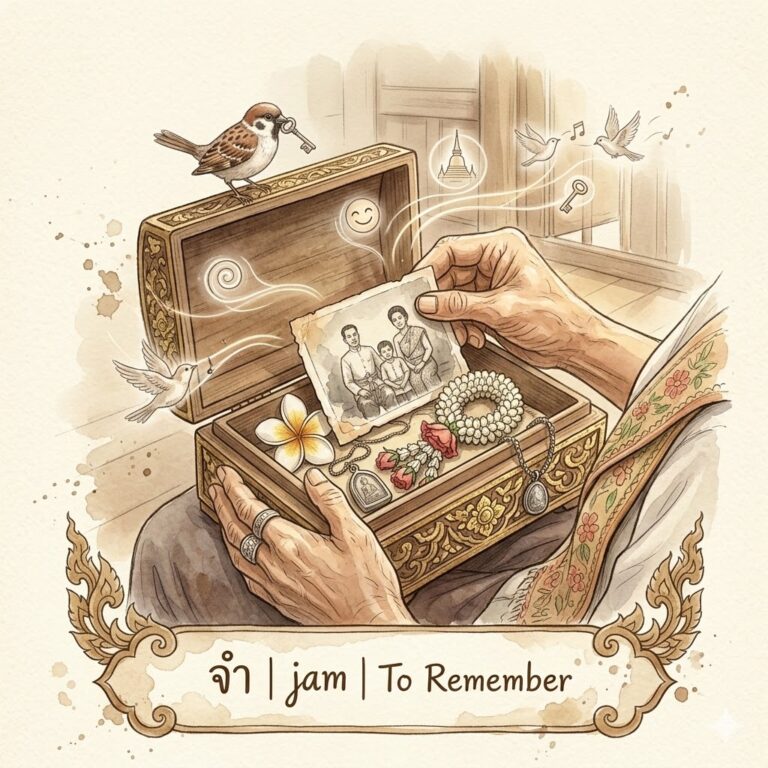
จำ | jam | To Remember
View
คิด | kít | Think / Calculate
View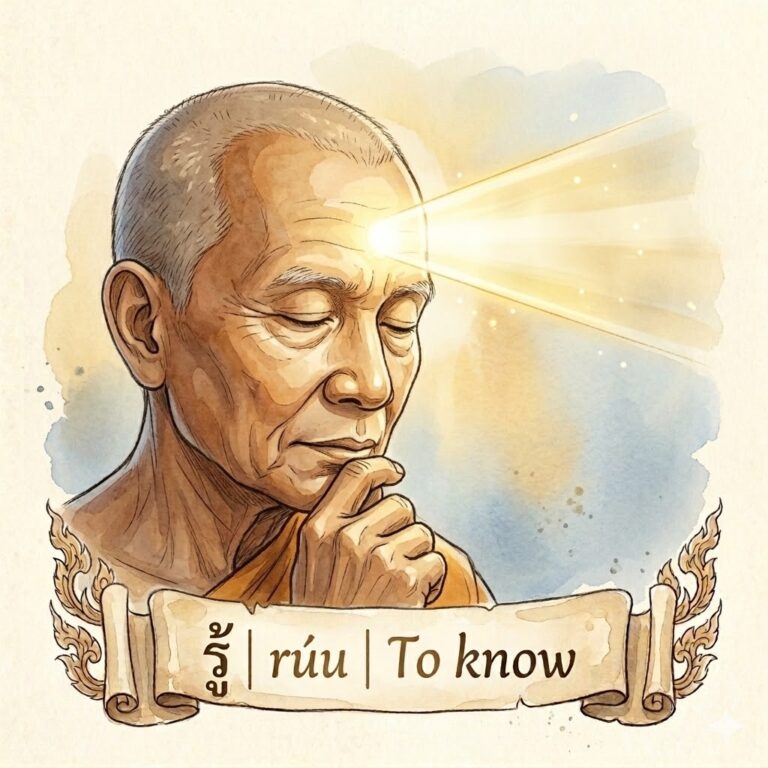
รู้ | rúu | To know
View
เขียน | kǐan | Write
View
อ่าน | àan | To Read
View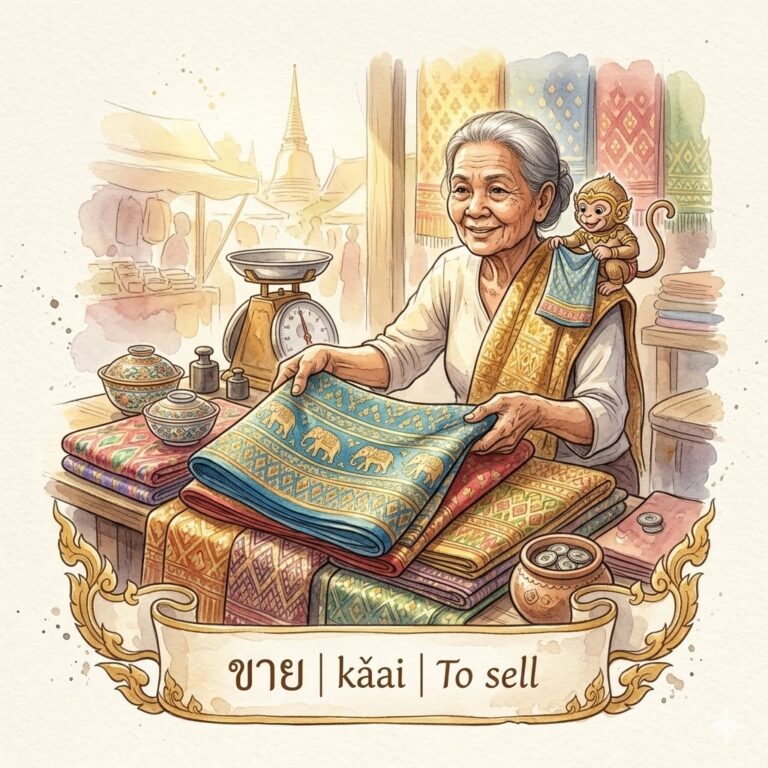
ขาย | kǎai | To sell
View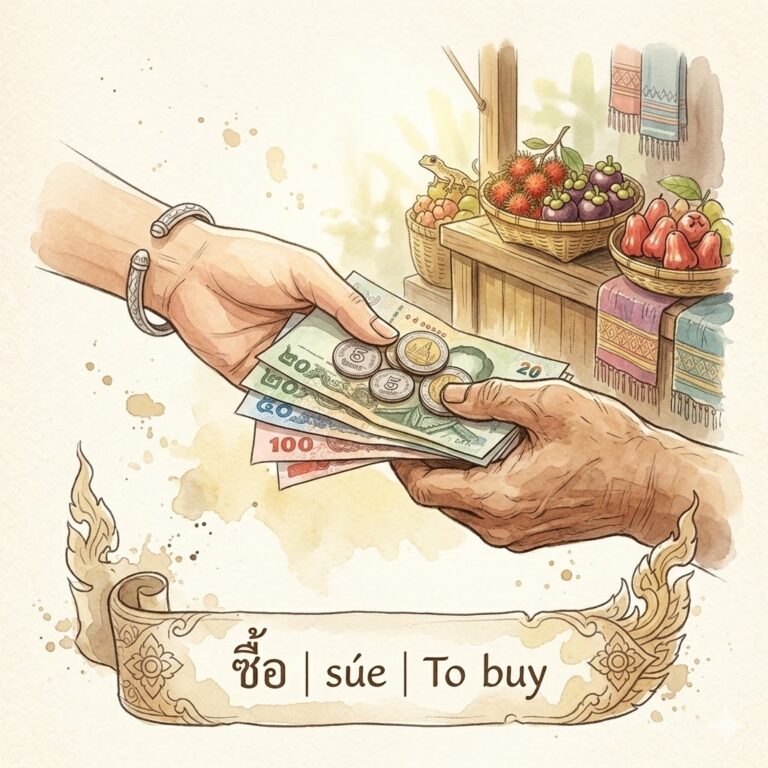
ซื้อ | súe | To buy
View
รอ | ror | To wait
View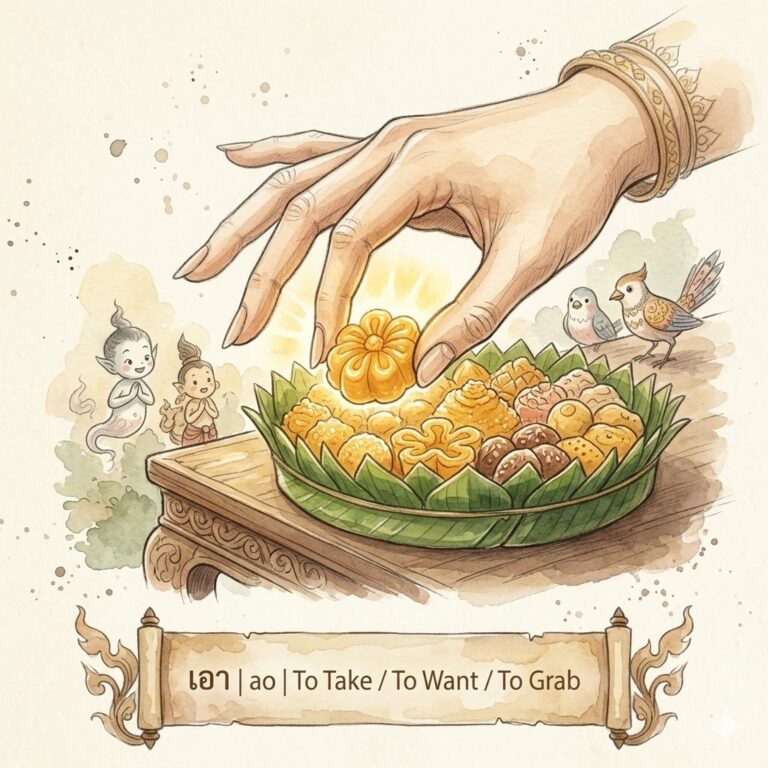
เอา | ao | To Take / To Want
View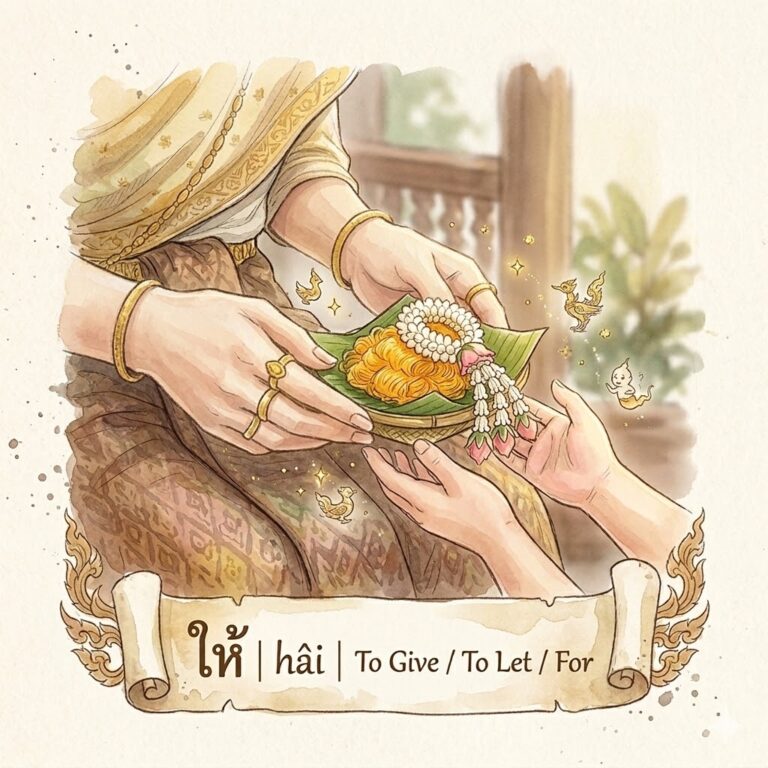
ให้ | hâi | To Give / To Let / For
View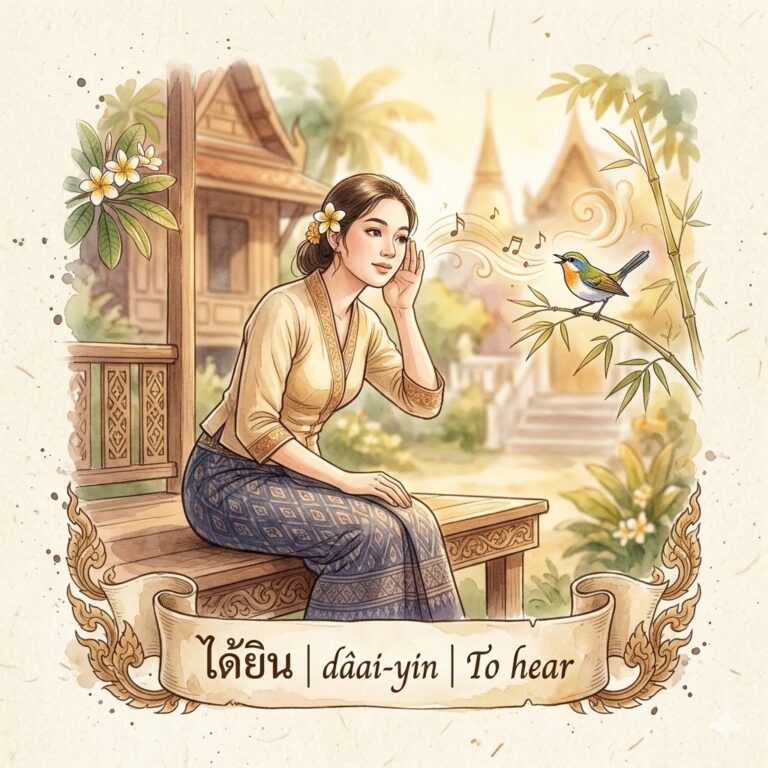
ได้ยิน | dâai-yin | To hear
View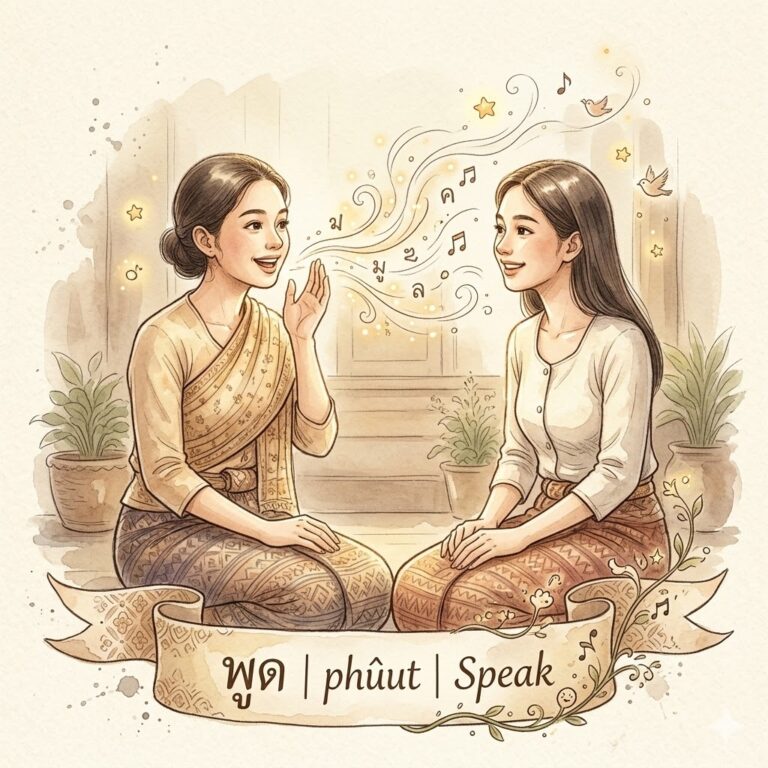
พูด | phûut | Speak
View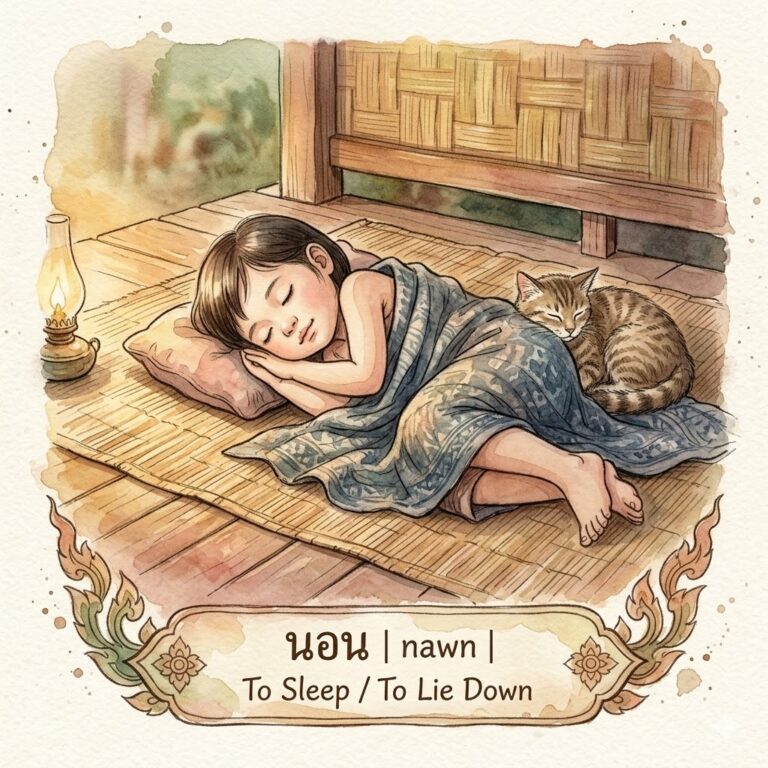
นอน | nawn | To Sleep / To Lie Down
View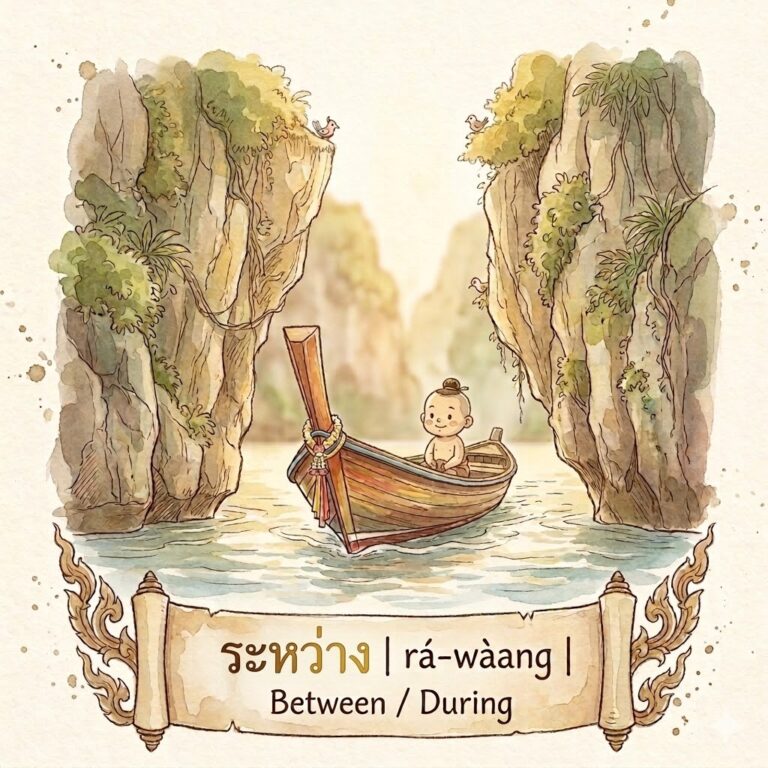
ระหว่าง | rá-wàang | Between / During
View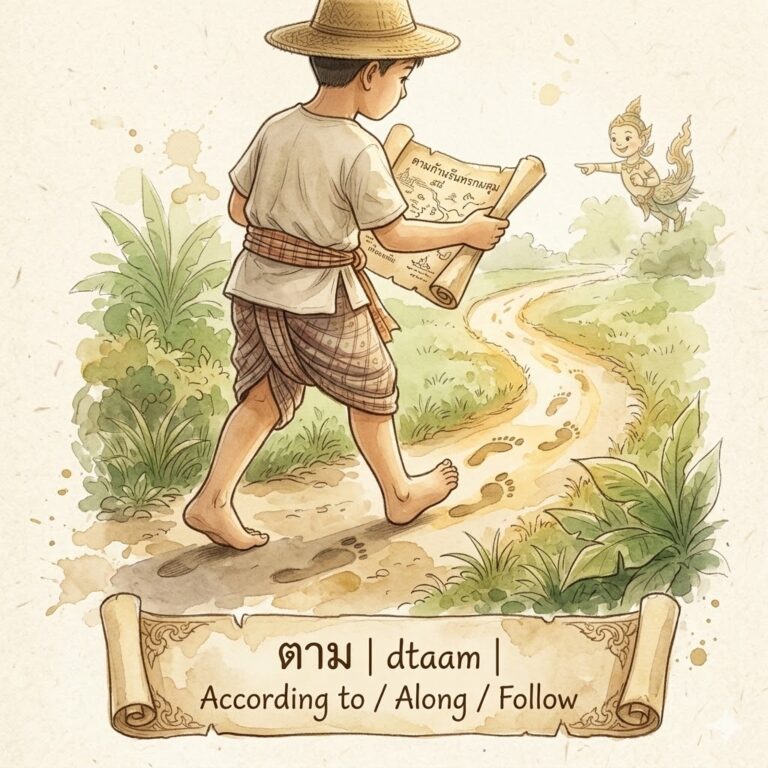
ตาม | dtaam | According to / Along / Follow
View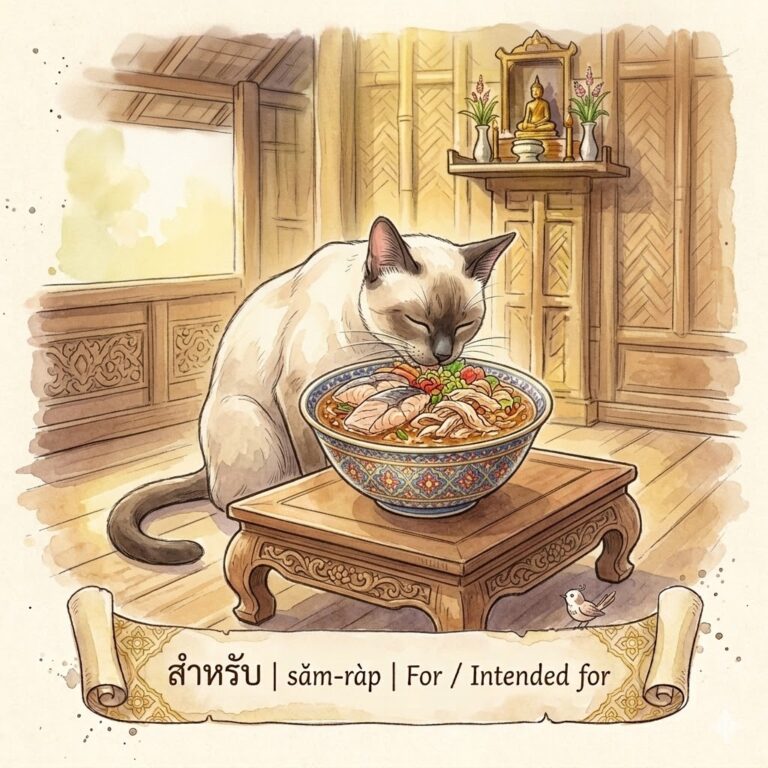
สำหรับ | sǎm-ràp | For / Intended for
View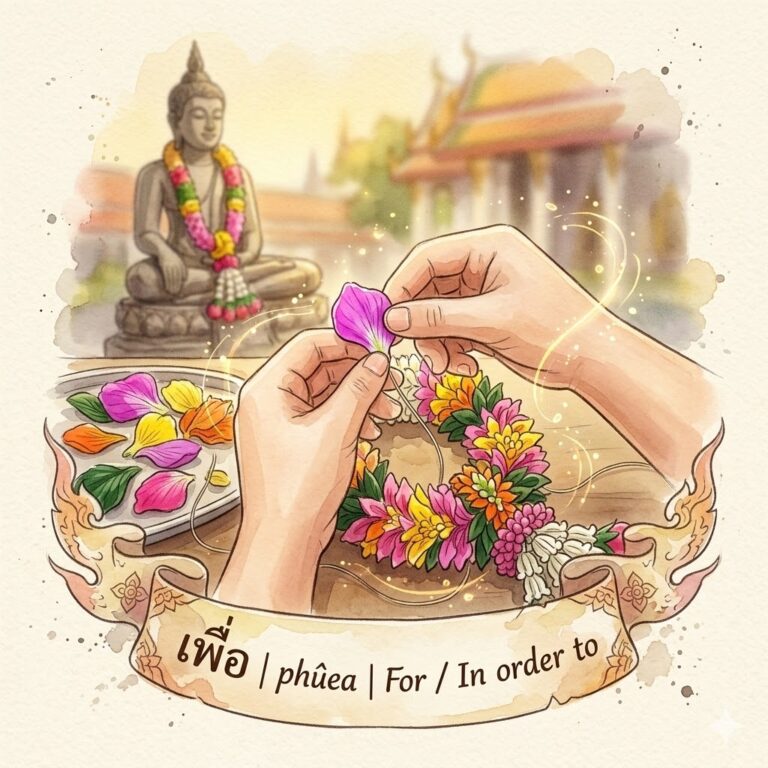
เพื่อ | phûea | For / In order to
View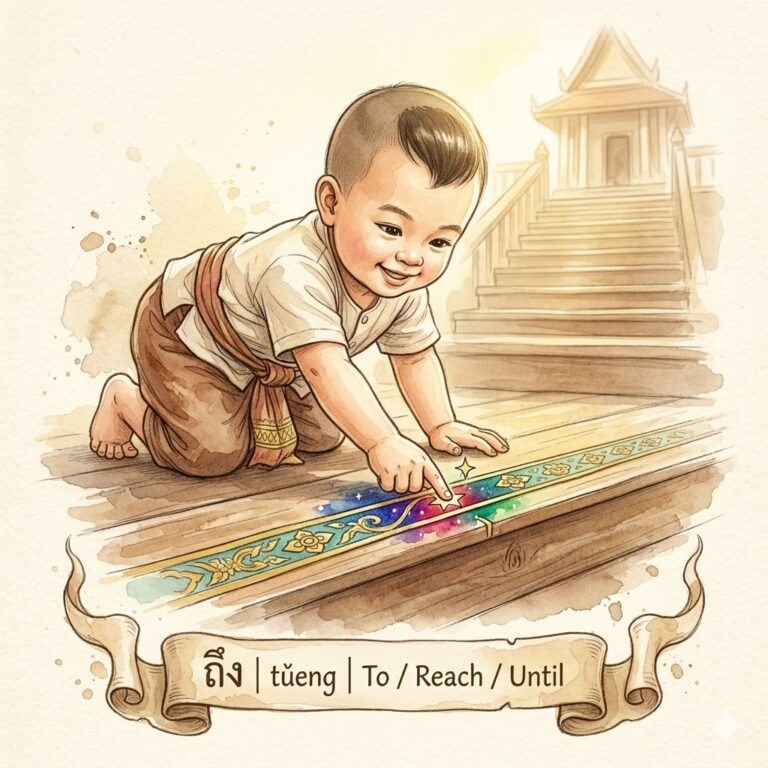
ถึง | tǔeng | To / Reach / Until
View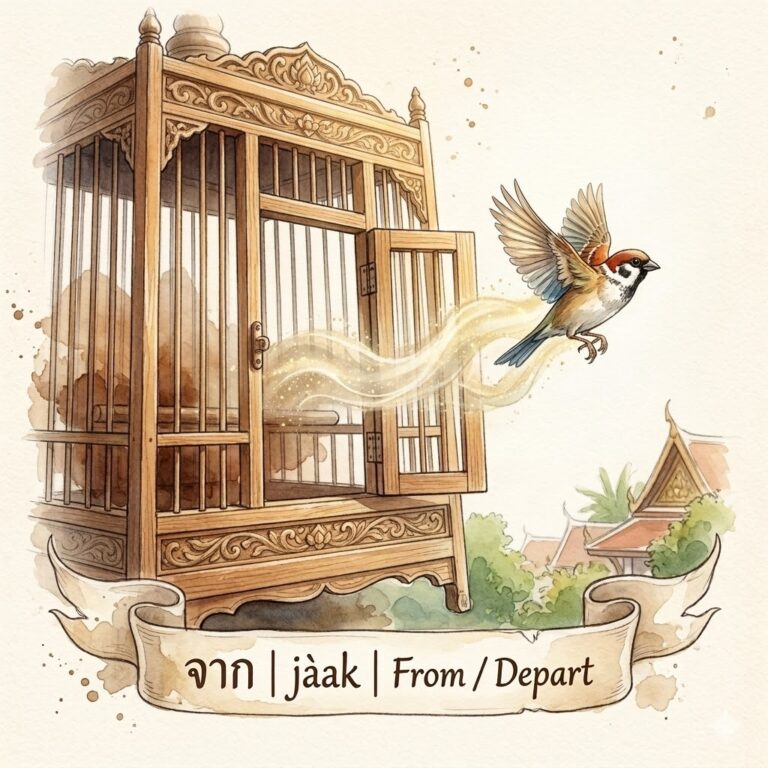
จาก | jàak | From / Depart
View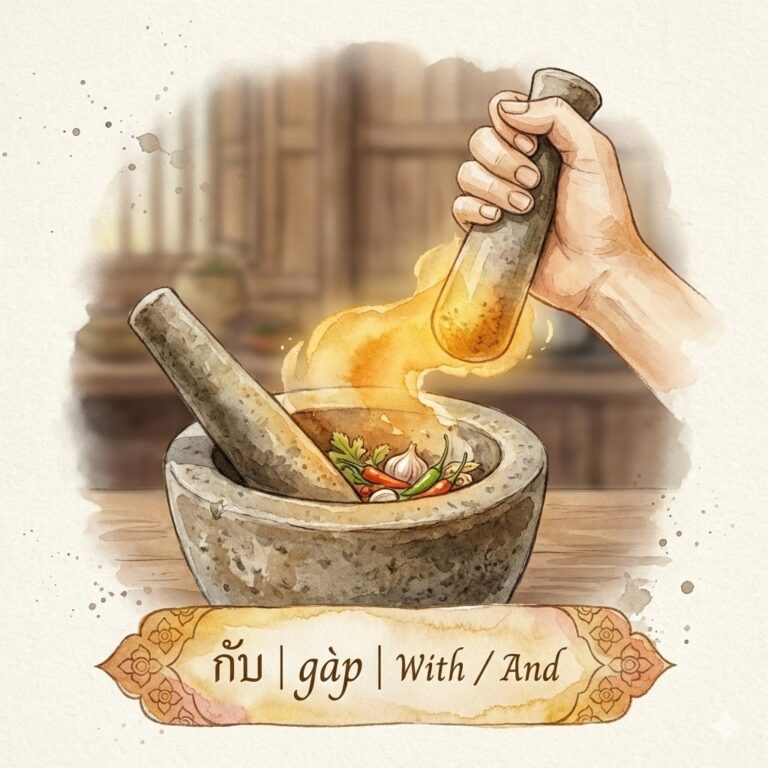
กับ | gàp | With / And
View
ที่ | thîi | Place / At / That
View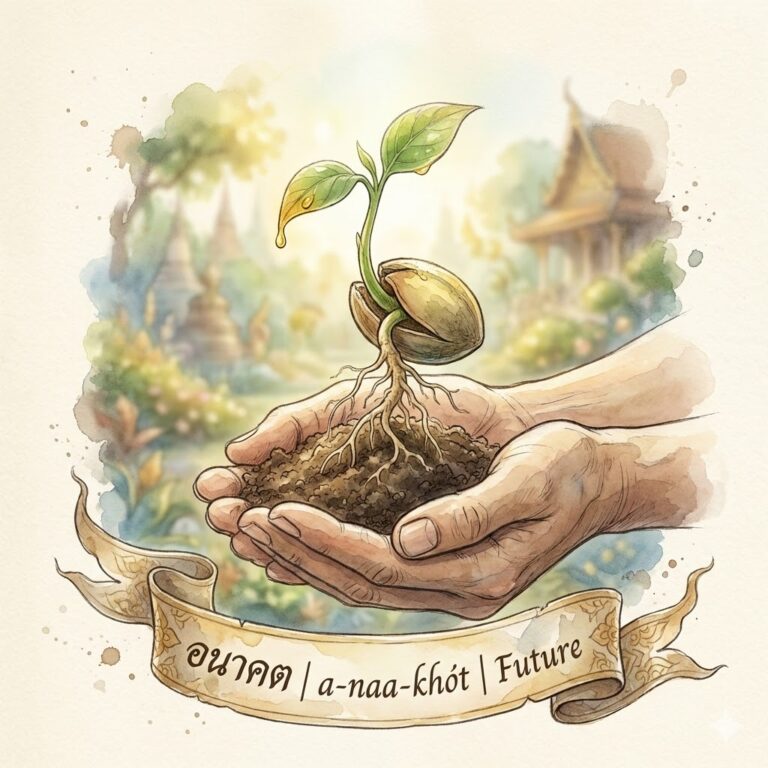
อนาคต | a-naa-khót | Future
View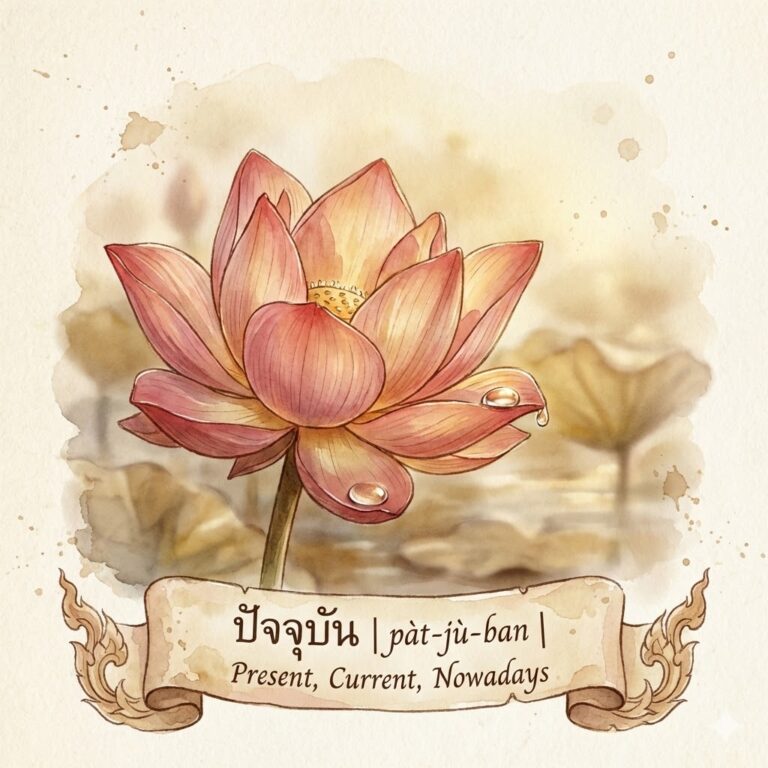
ปัจจุบัน | pàt-jù-ban | Present, Current, Nowadays
View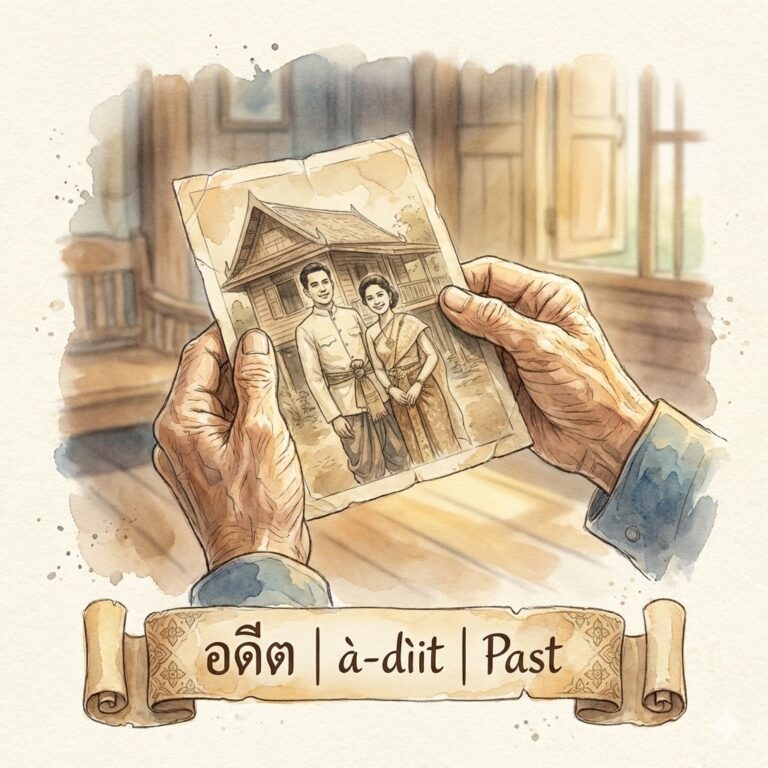
อดีต | à-dìit | Past
View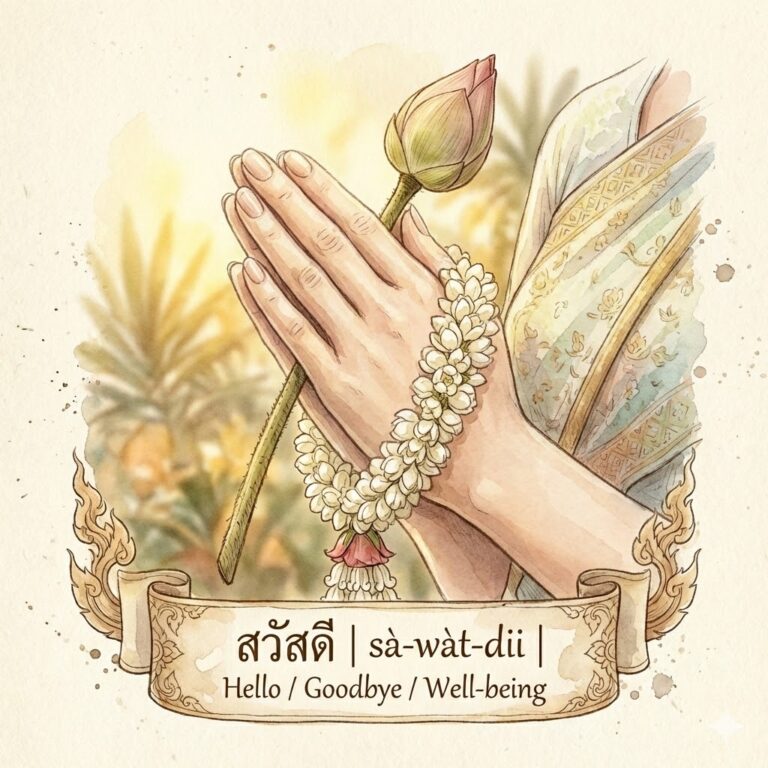
สวัสดี | sà-wàt-dii | Hello / Goodbye / Well-being
View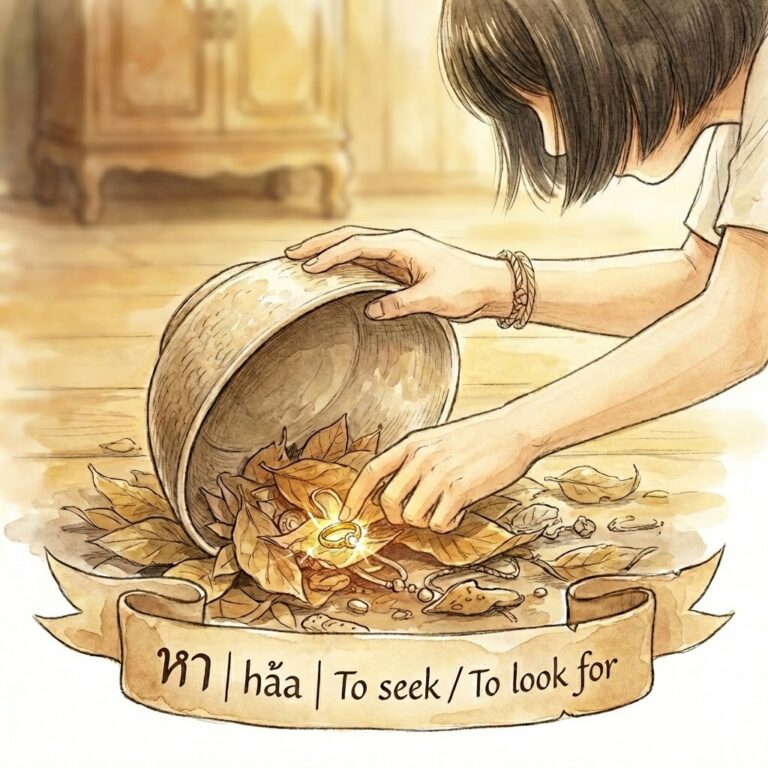
หา | hǎa | To seek / To look for
View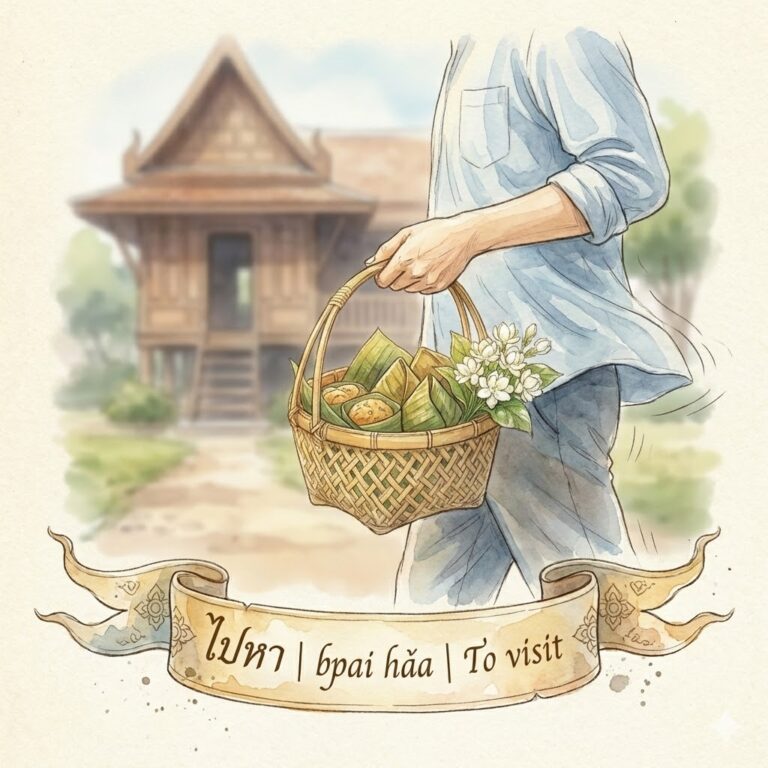
ไปหา | bpai hǎa | To visit
View
สมุทร | sà-mùt | Ocean / Sea
View
ชายหาด | chaai hàat | Beach
View
ทะเล | Thá-lee | Sea
View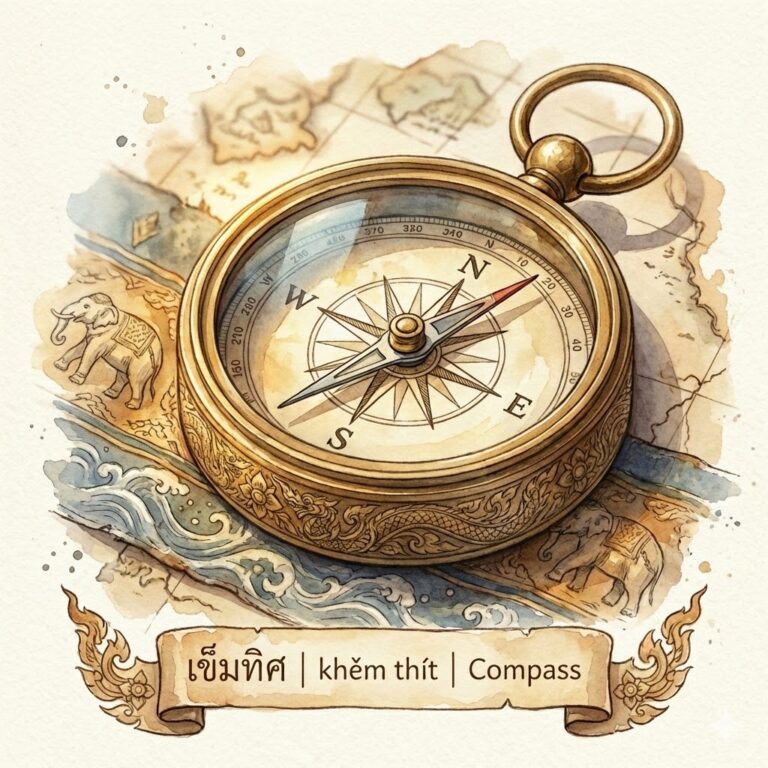
เข็มทิศ | khěm thít | Compass
View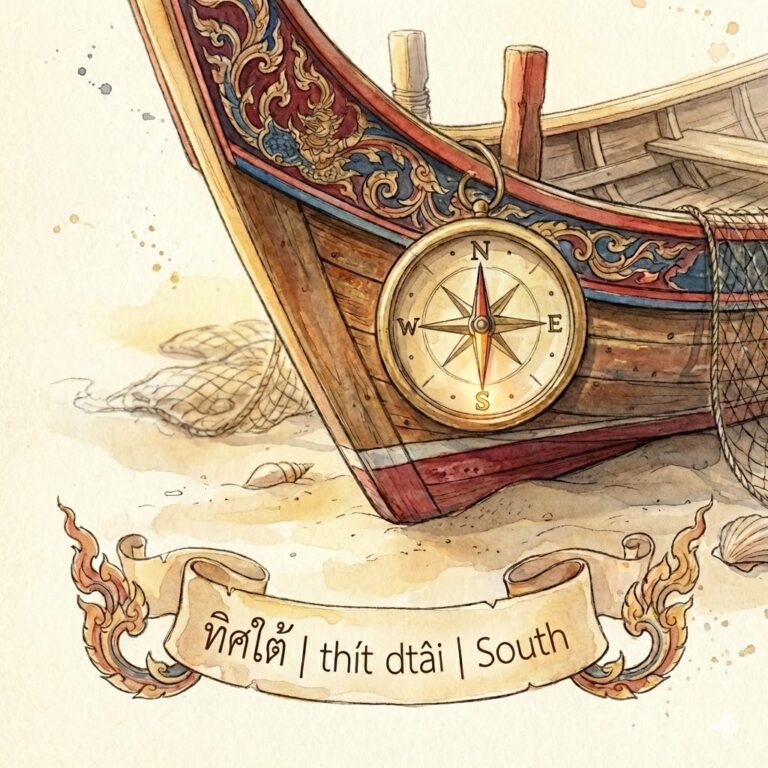
ทิศใต้ | thít dtâi | South
View
ทิศเหนือ | thít-nǔea | North
View
ทักษิณ | thák-sǐn | South / Right side
View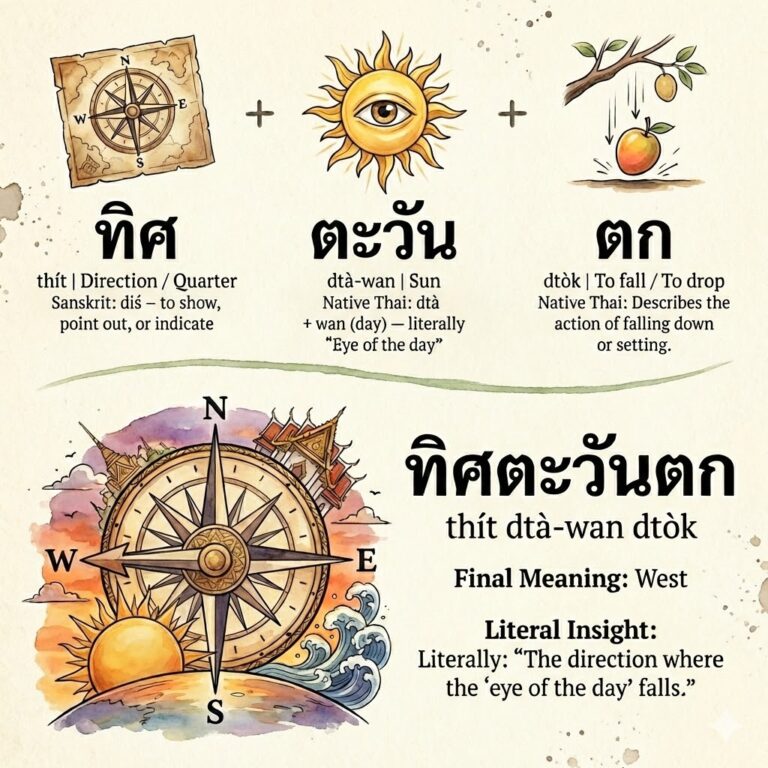
ทิศตะวันตก | thít-dtà-wan-dtòk | West
View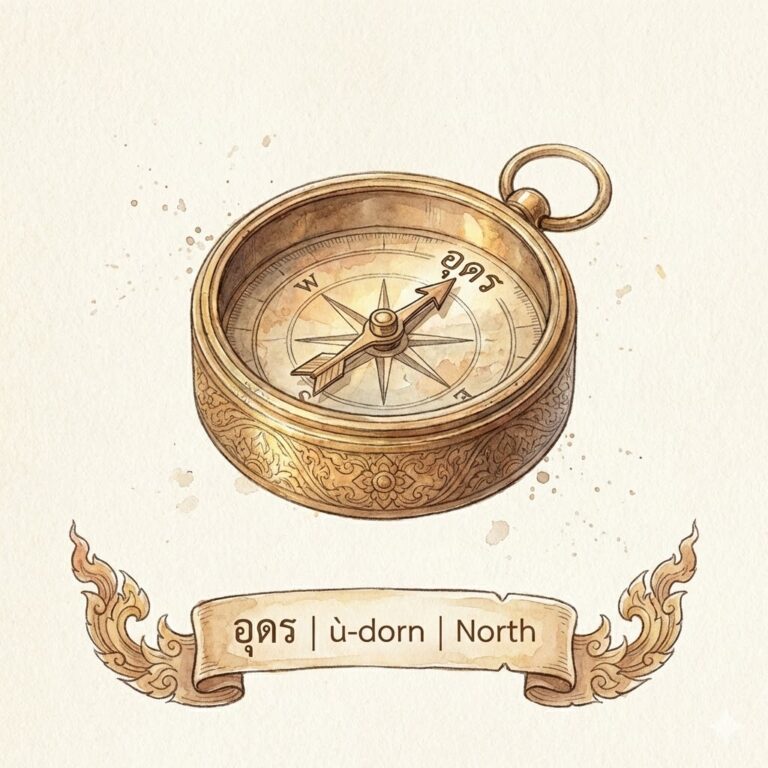
อุดร | ù-dorn | North
View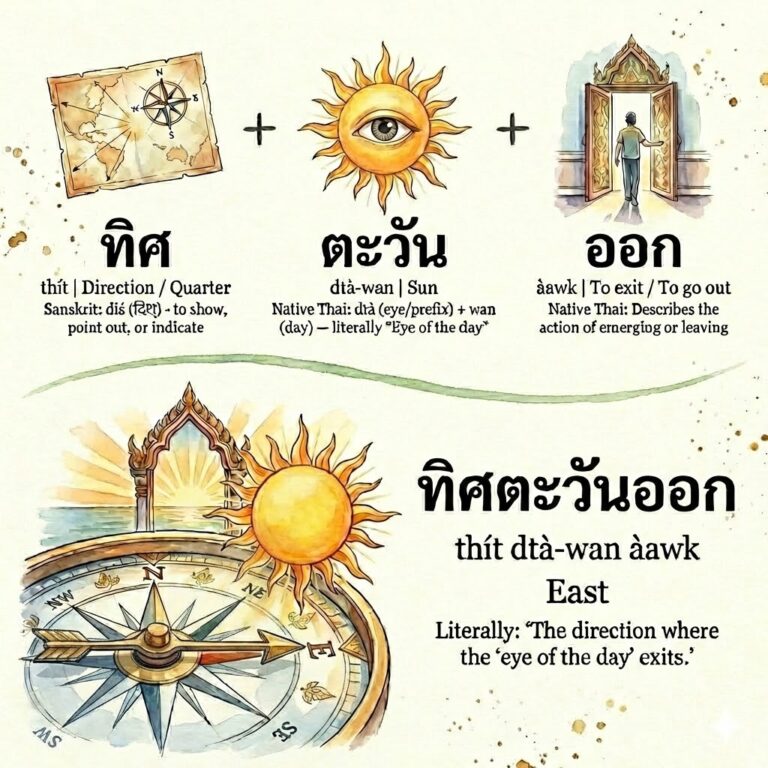
ทิศตะวันออก | thít dtà-wan àawk | East
View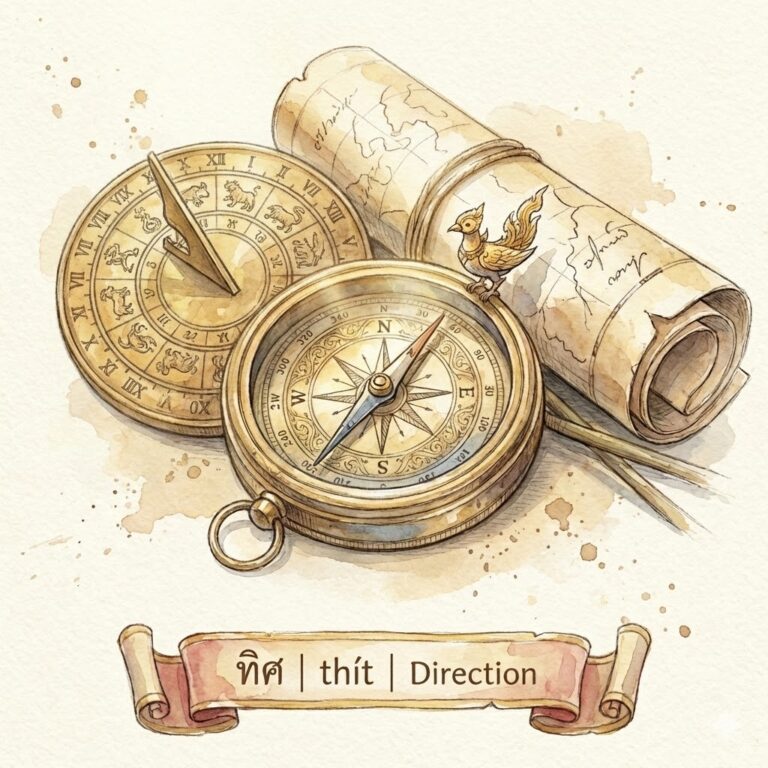
ทิศ | thít | Direction
View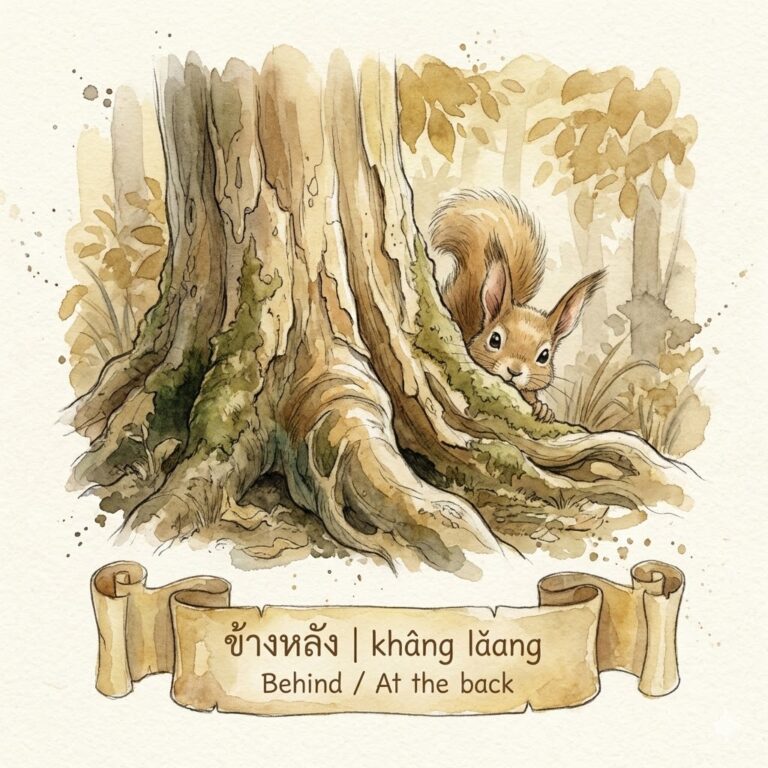
ข้างหลัง | khâang lǎang | Behind / At the back
View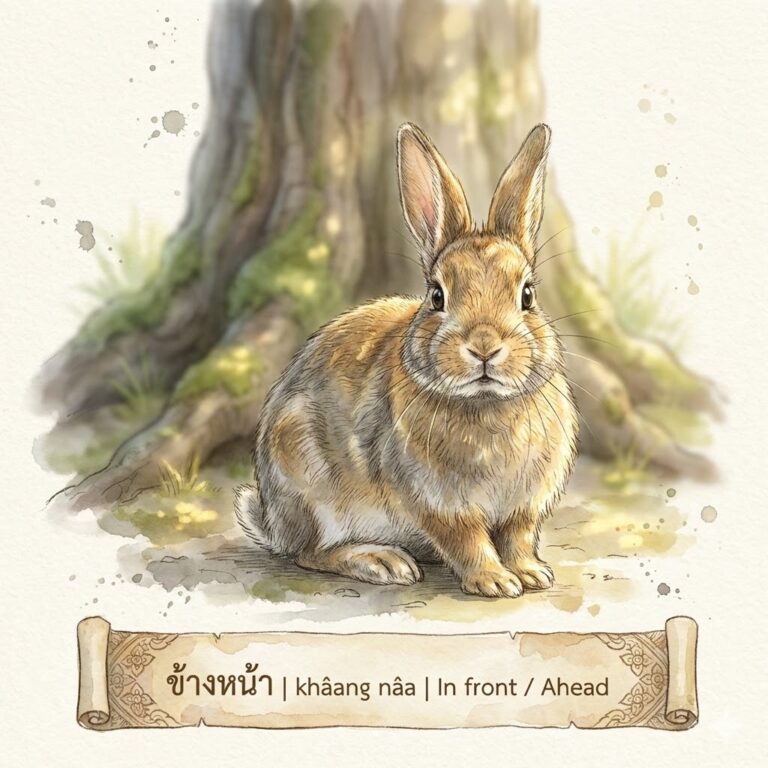
ข้างหน้า | khâang nâa | In front / Ahead
View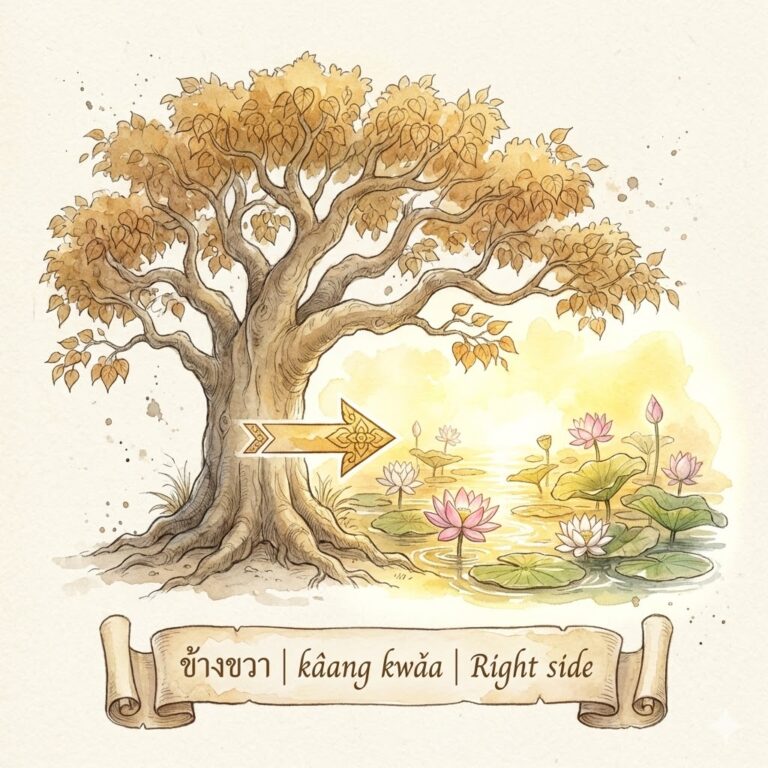
ข้างขวา | kâang kwǎa | Right side
View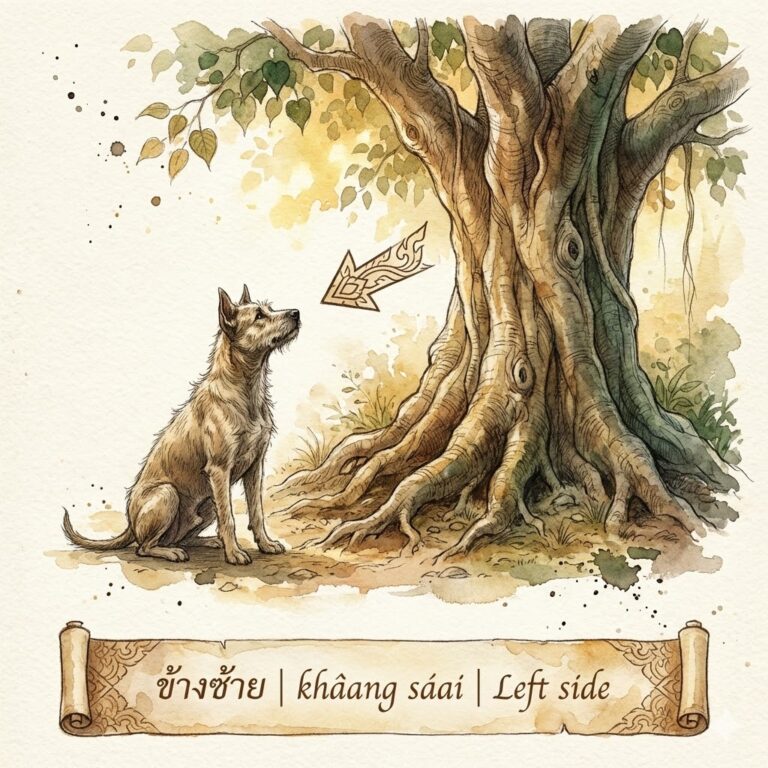
ข้างซ้าย | khâang sáai | Left side
View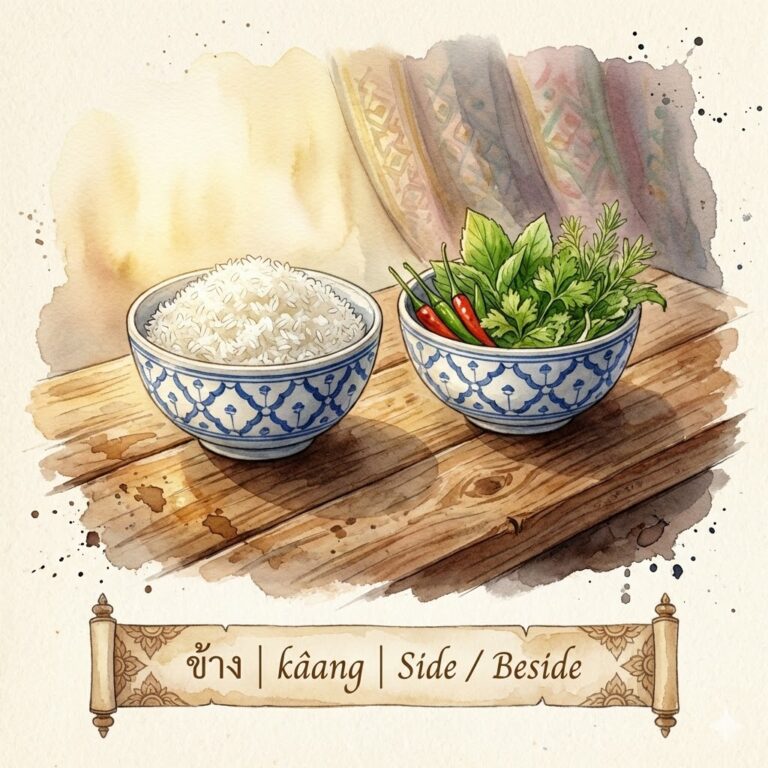
ข้าง | kâang | Side / Beside
View
ใน | nai | In / Inside
View
บน | bon | On
View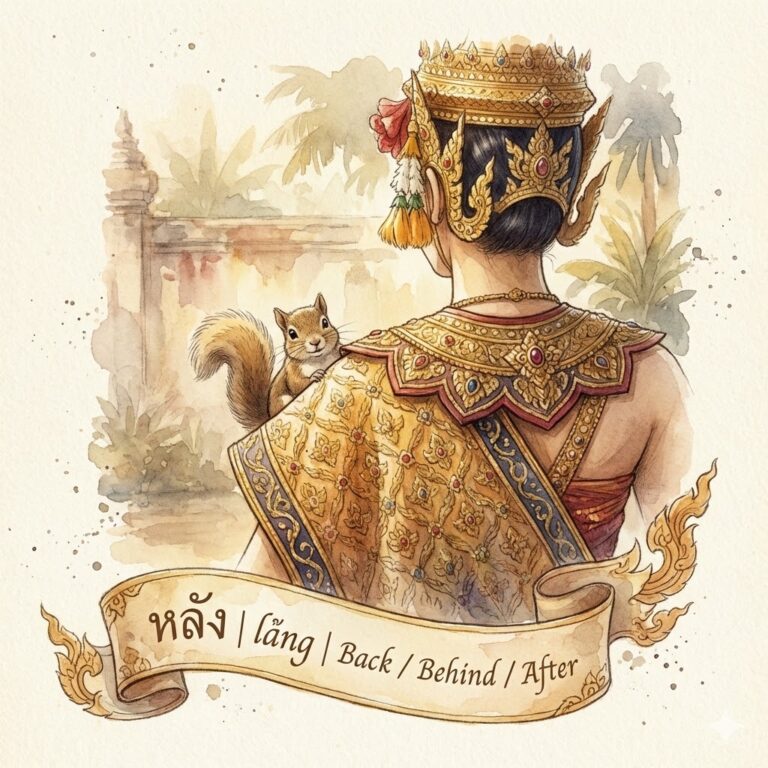
หลัง | lǎng | Back / Behind / After
View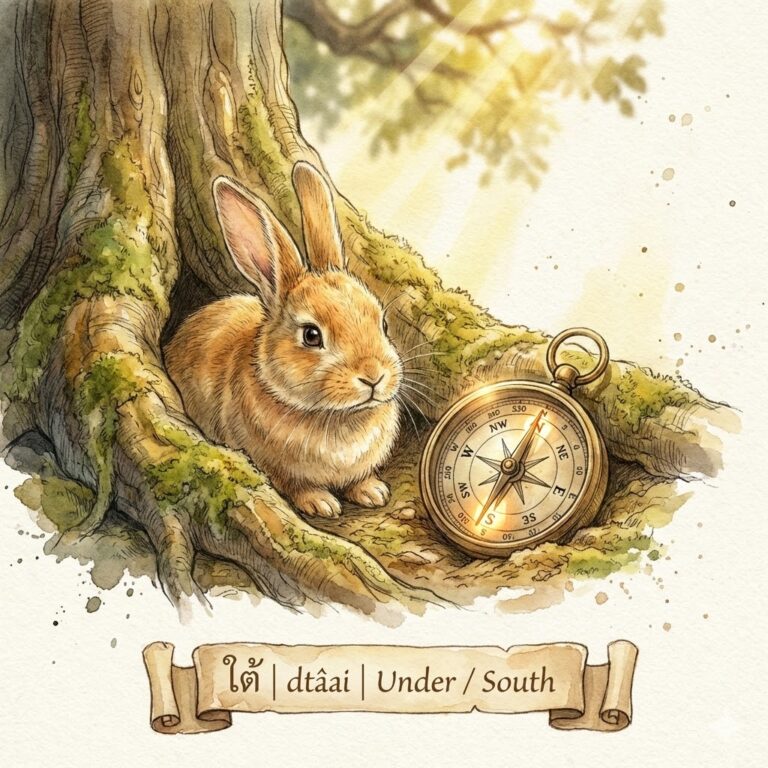
ใต้ | dtâai | Under / South
View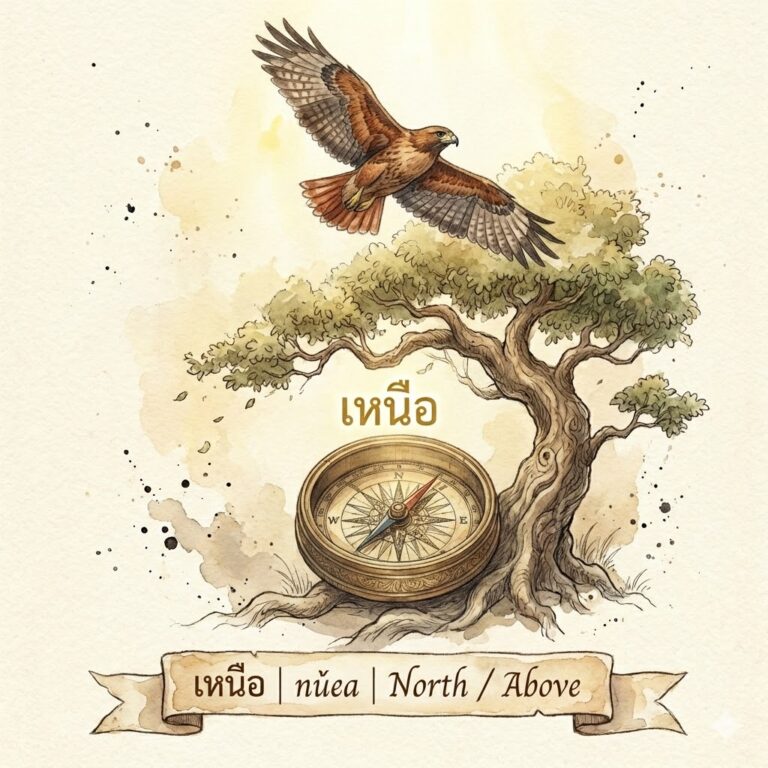
เหนือ | nǔea | Above / North
View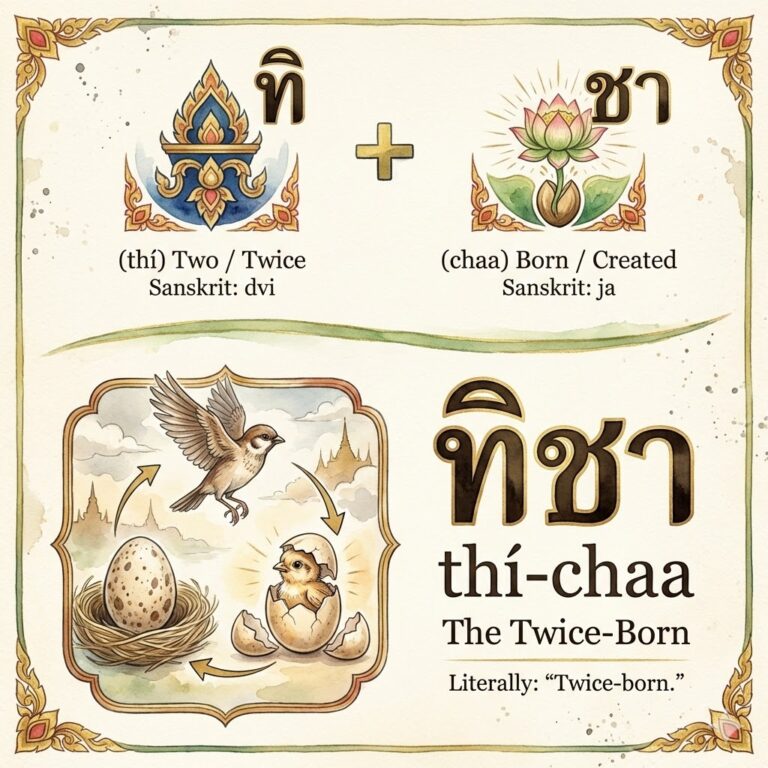
ทิชา | tí-chaa | Bird (Literally: Twice-born)
View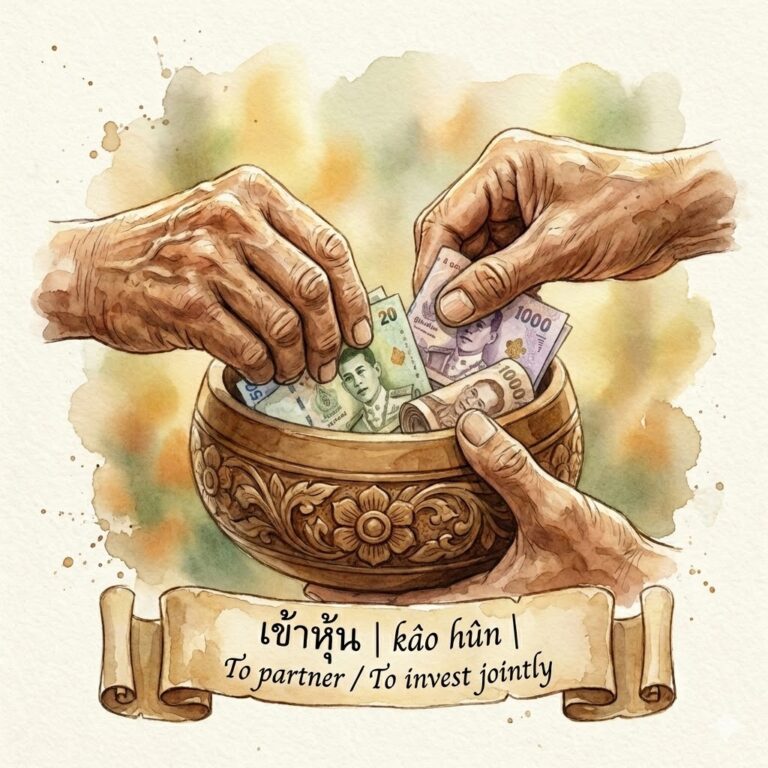
เข้าหุ้น | kâo hûn | To partner / To invest jointly
View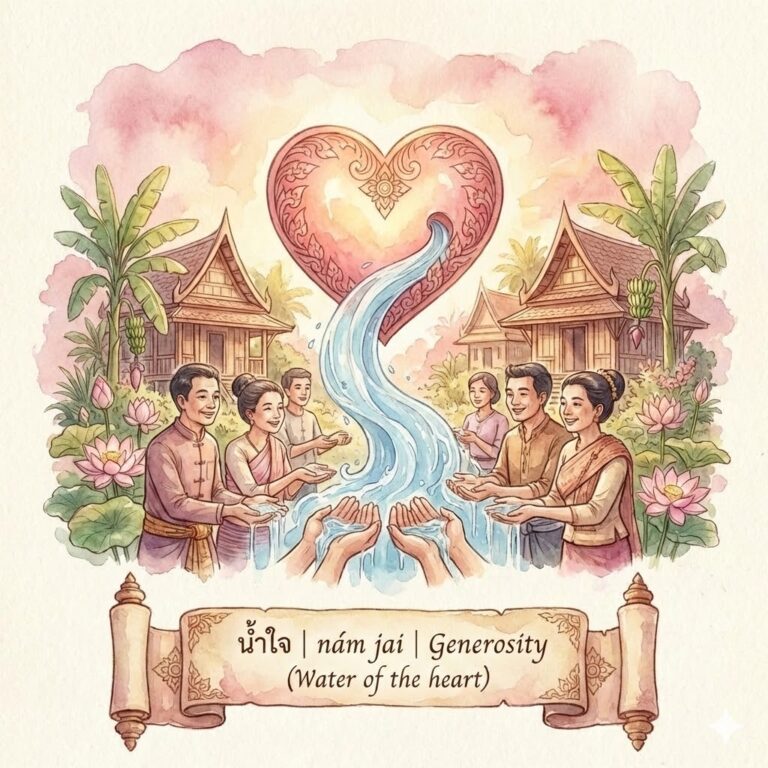
น้ำใจ | nám jai | Generosity (Water of the heart)
View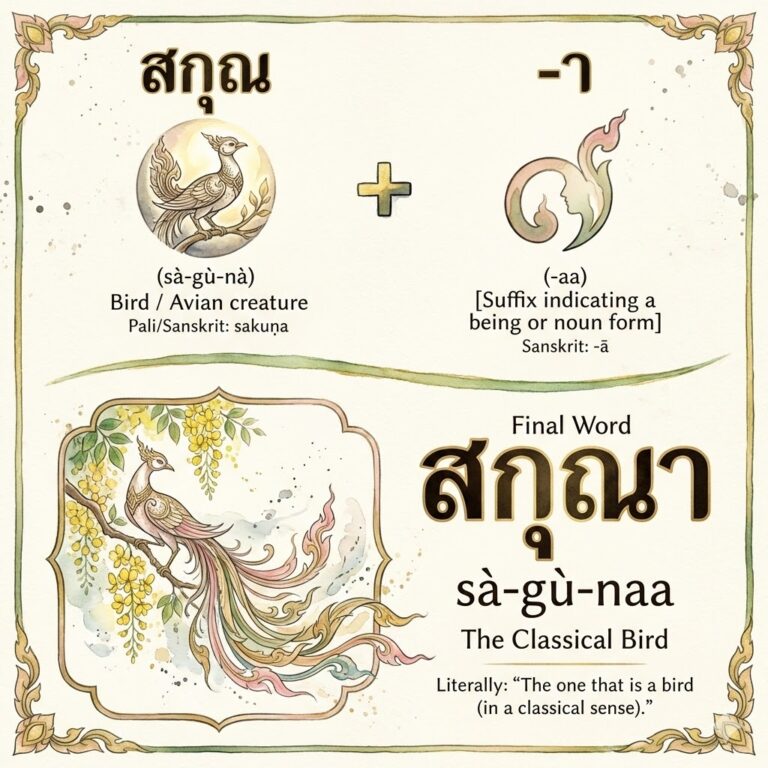
สกุณา | sà-gù-naa | Bird (Poetic/Formal)
View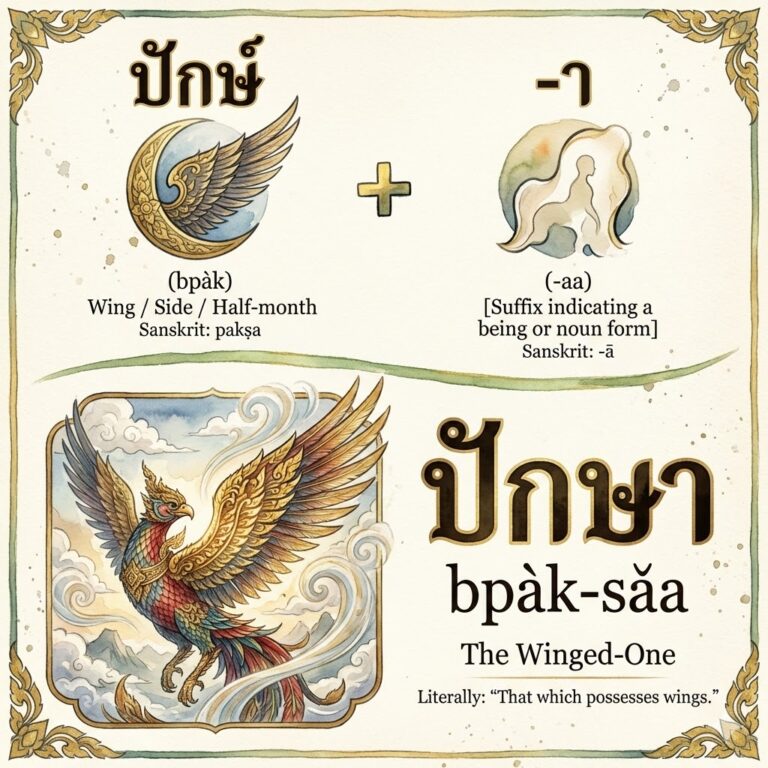
ปักษา | bpàk-sǎa | Bird (Literary)
View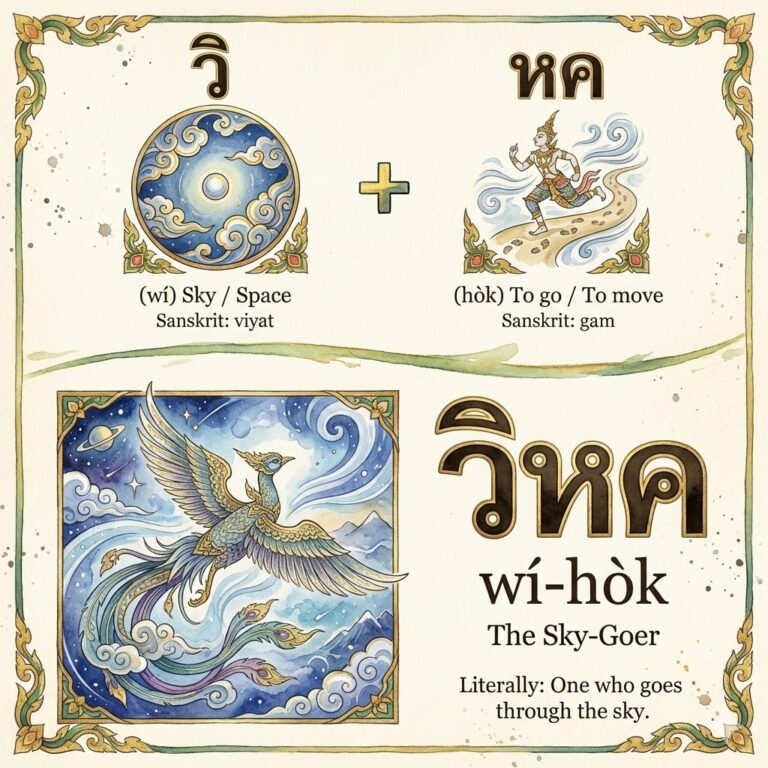
วิหค | wí-hòk | Bird
View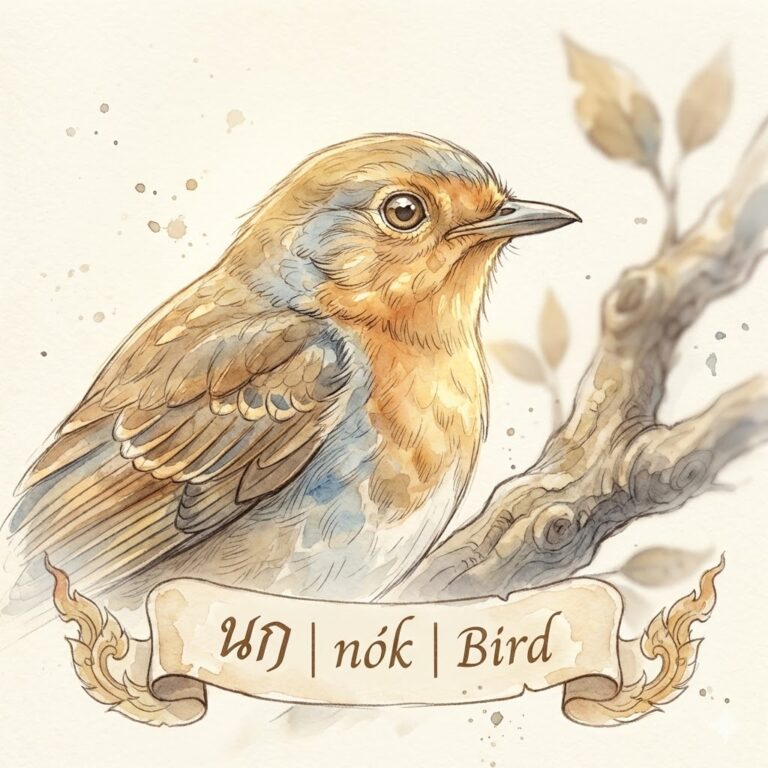
นก | nók | Bird
View
เข้า | khâo | To Enter / To Fit
View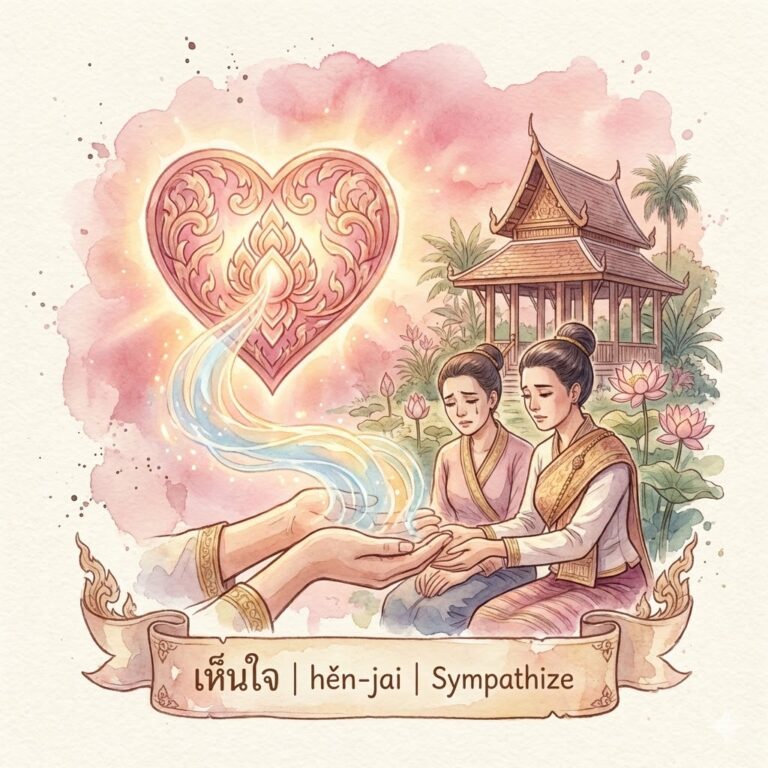
เห็นใจ | hěn-jai | Sympathize
View
เปลี่ยนใจ | bplìian-jai | To change one’s mind
View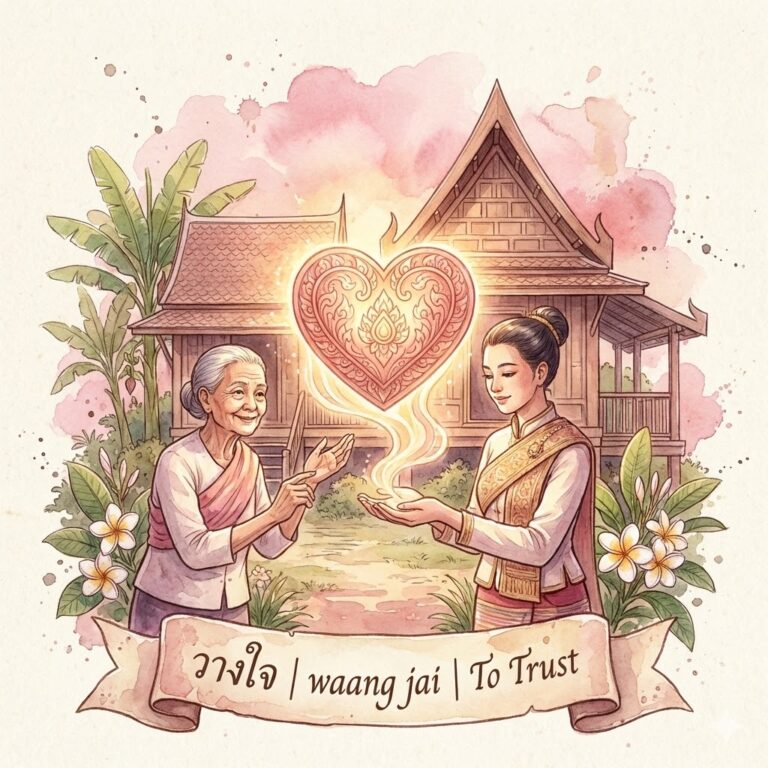
วางใจ | waang jai | To Trust
View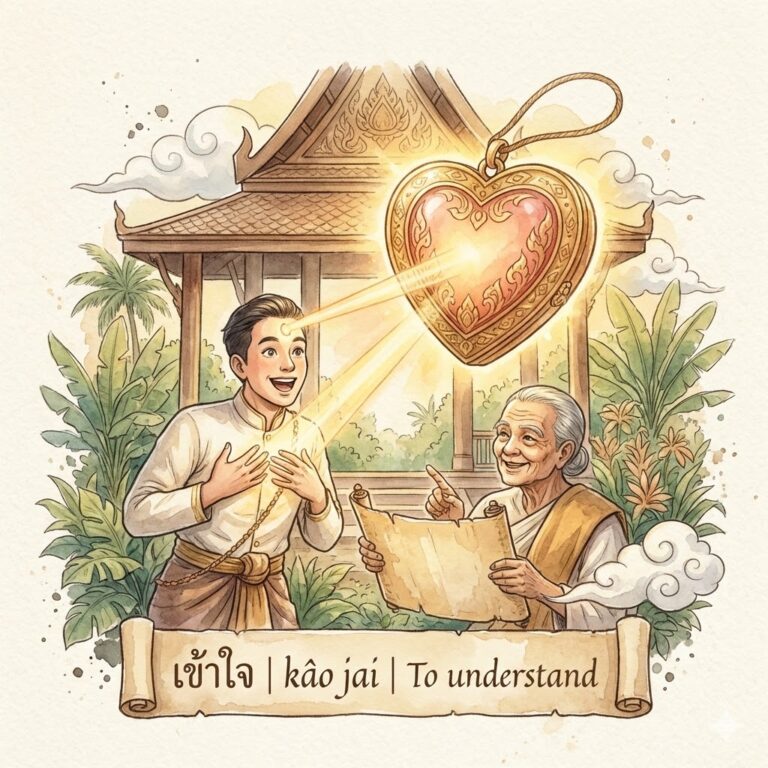
เข้าใจ | kâo jai | To understand
View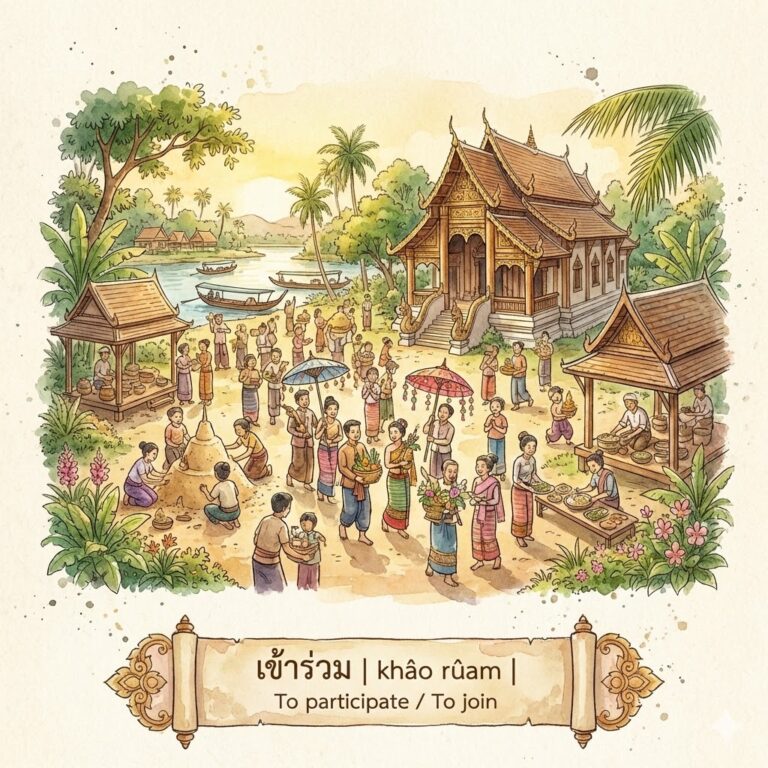
เข้าร่วม | khâo rûam | To participate / To join
View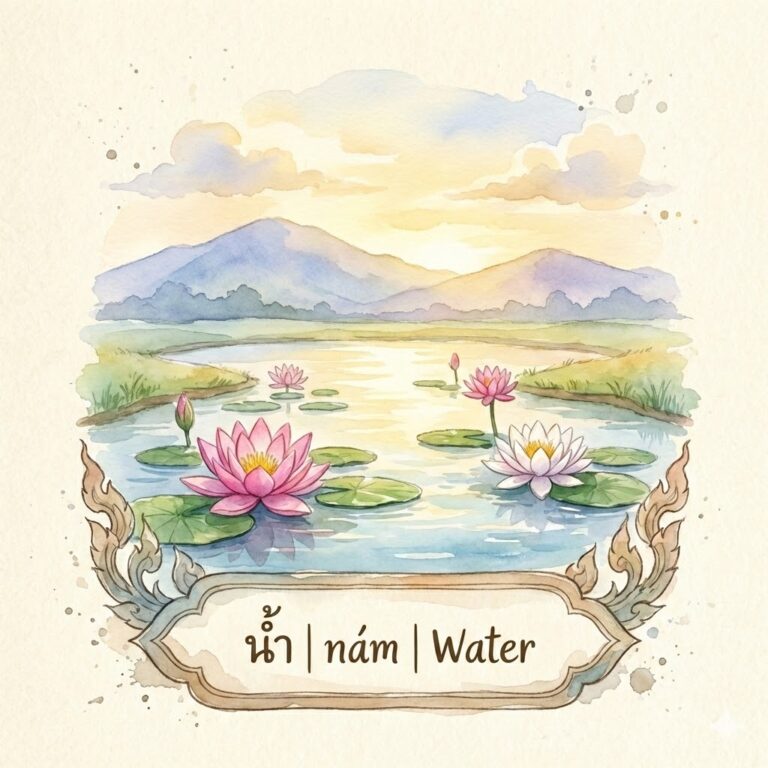
น้ำ | nám | Water
View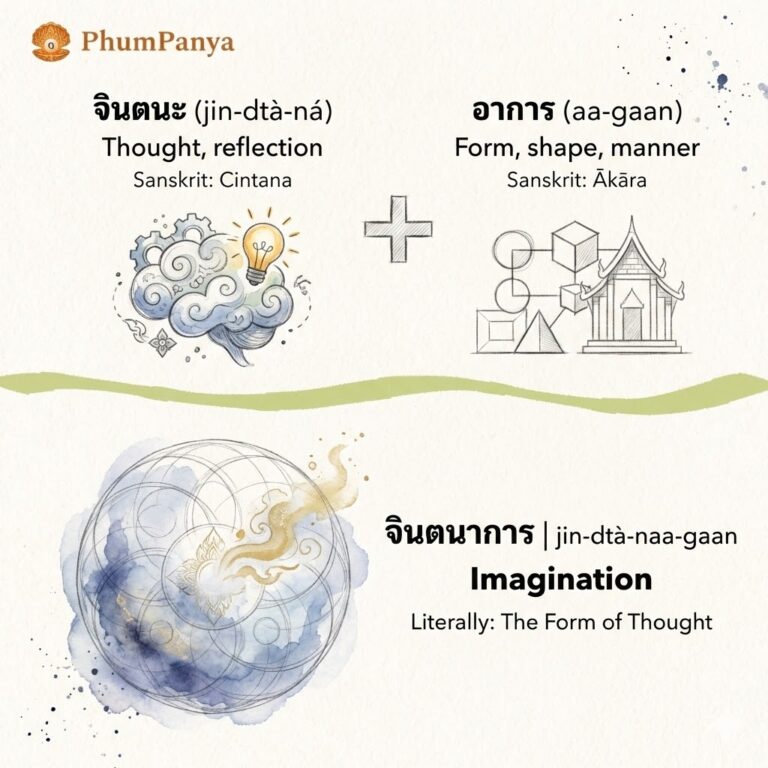
จินตนาการ | jin-dtà-naa-gaan | Imagination
View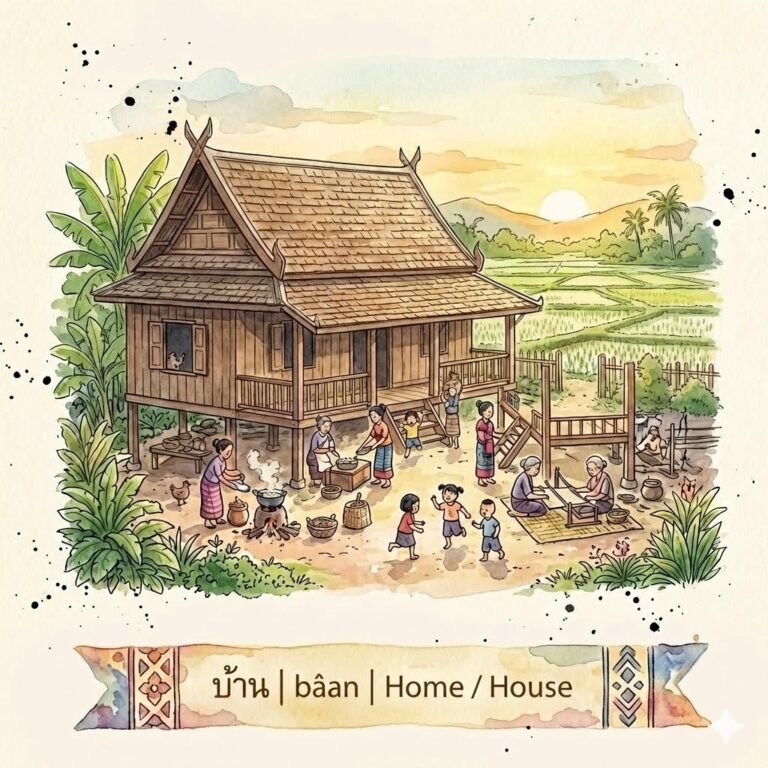
บ้าน | bâan | Home / House
View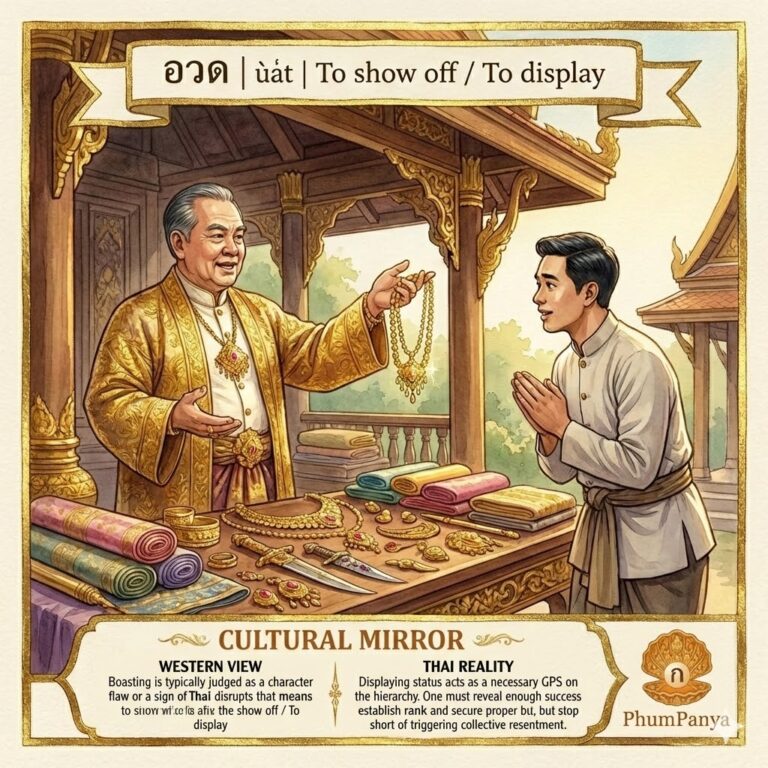
อวด | ùat | To show off / To display
View
ผีเสื้อ | pǐi-sûea | Butterfly
View
ลูก | lûuk | Child / Round Object
Viewฟัง | fang | To Listen
View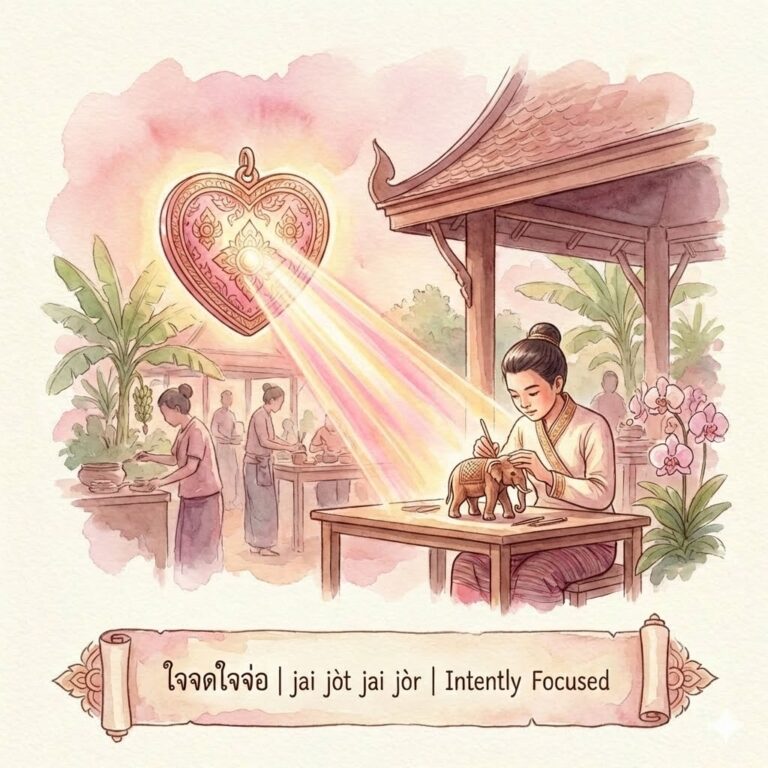
ใจจดใจจ่อ | jai jòt jai jòr | Intently Focused
Viewจริงเหรอ | jing rǒe | Really?
View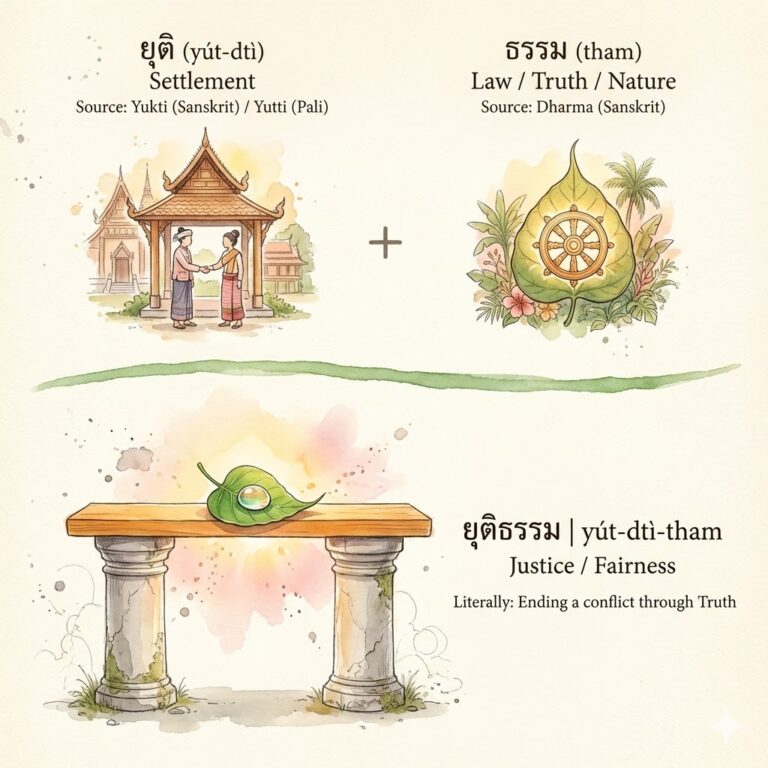
ยุติธรรม | yút-dtì-tham | Justice / Fairness
View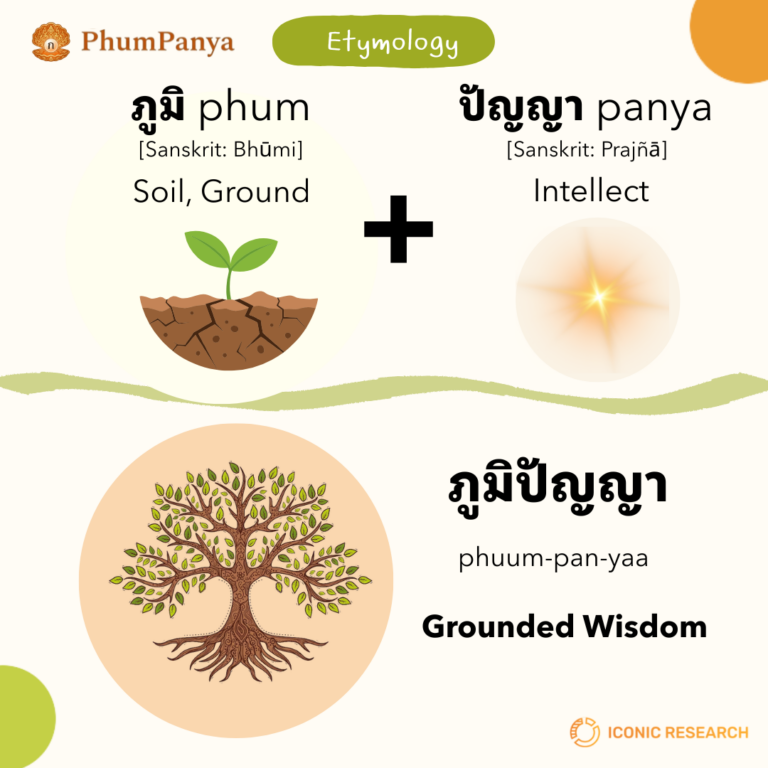
ภูมิปัญญา | phuum-bpan-yaa | Local Wisdom / Intellectual Heritage
View
ใจลอย | jai looi | Absent-minded
View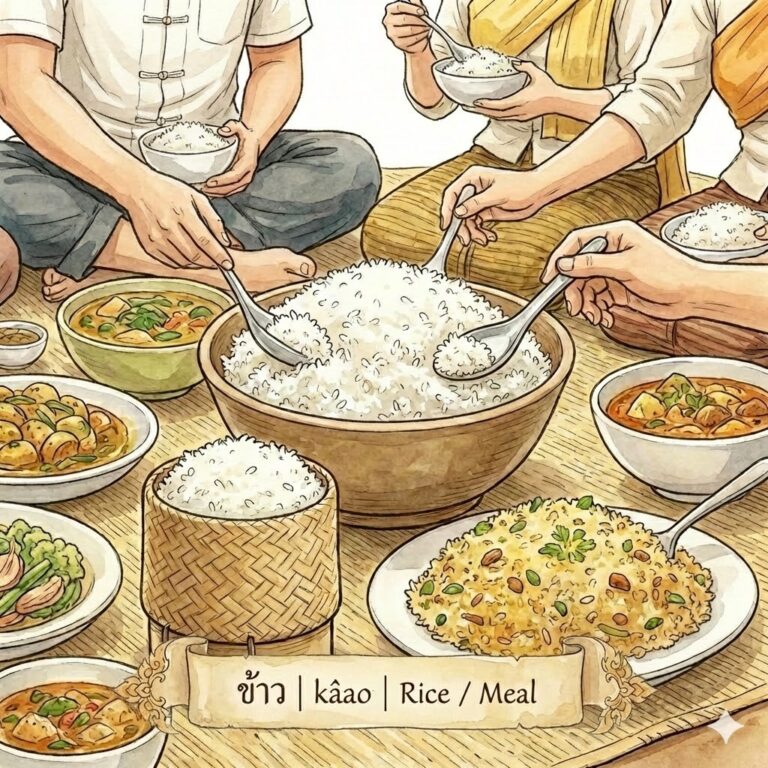
ข้าว | kâao | Rice / Meal
View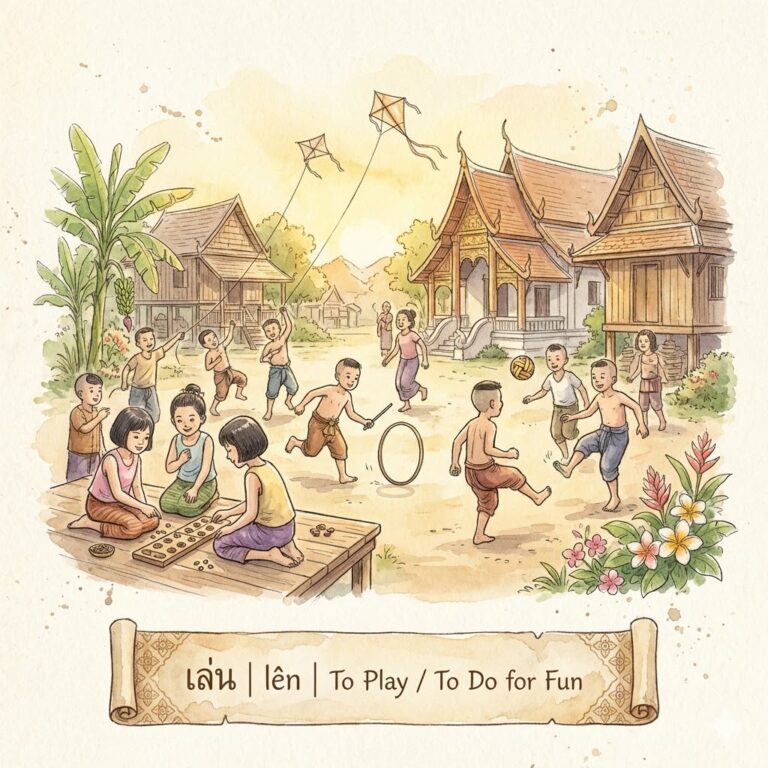
เล่น | lên | To Play / To Do for Fun
View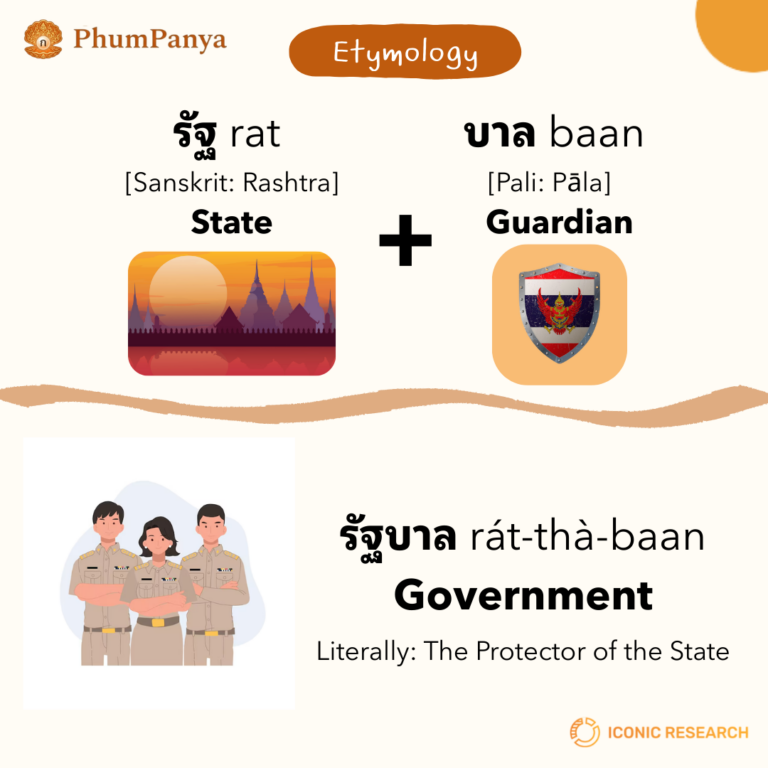
รัฐบาล | rát-thà-baan | Government
View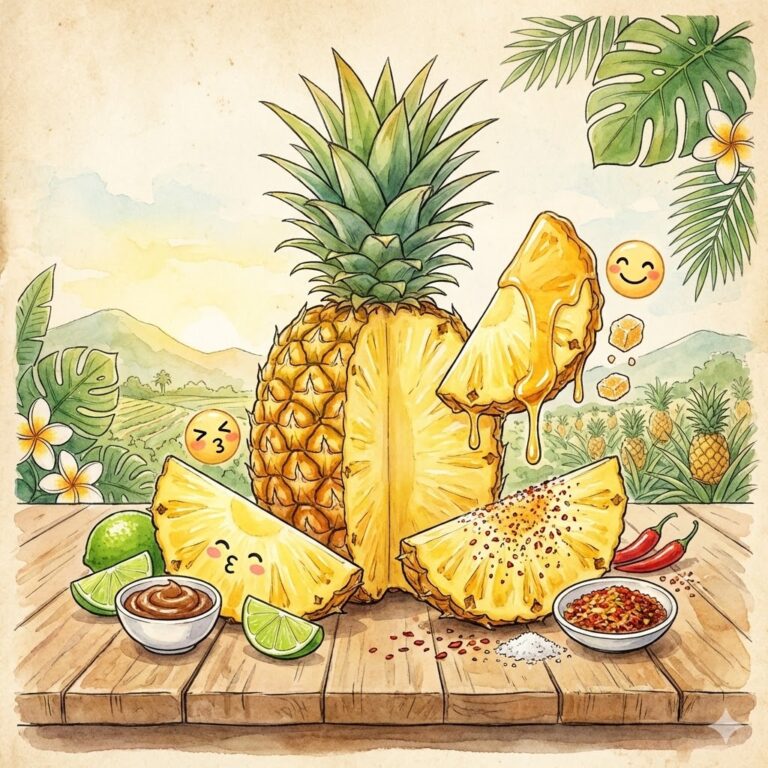
สับปะรด | sàp-bpà-rót | Pineapple
View
ใจเย็น | jai yen | Calm
View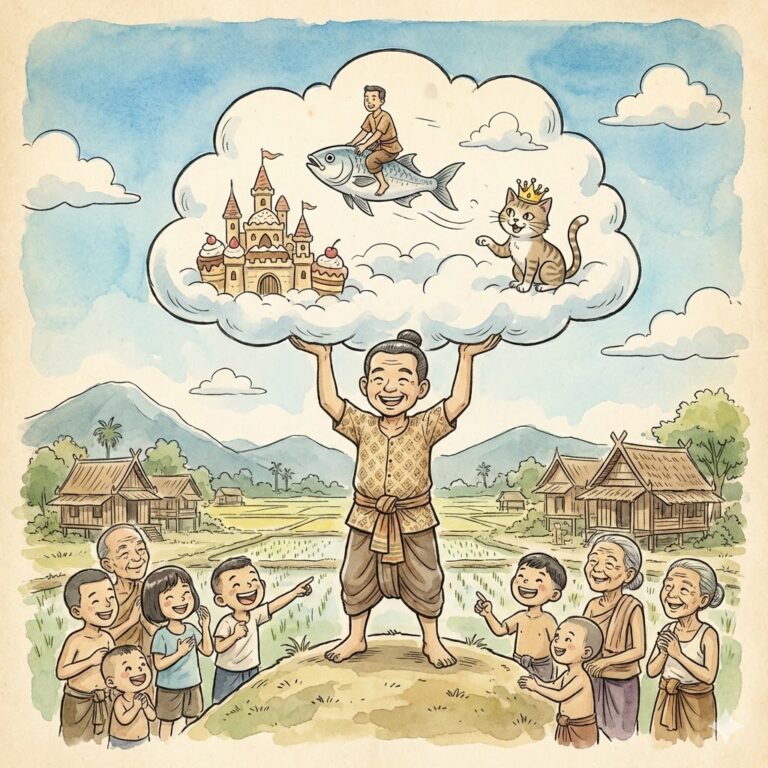
ยกเมฆ | yók mêek | To fabricate a story
View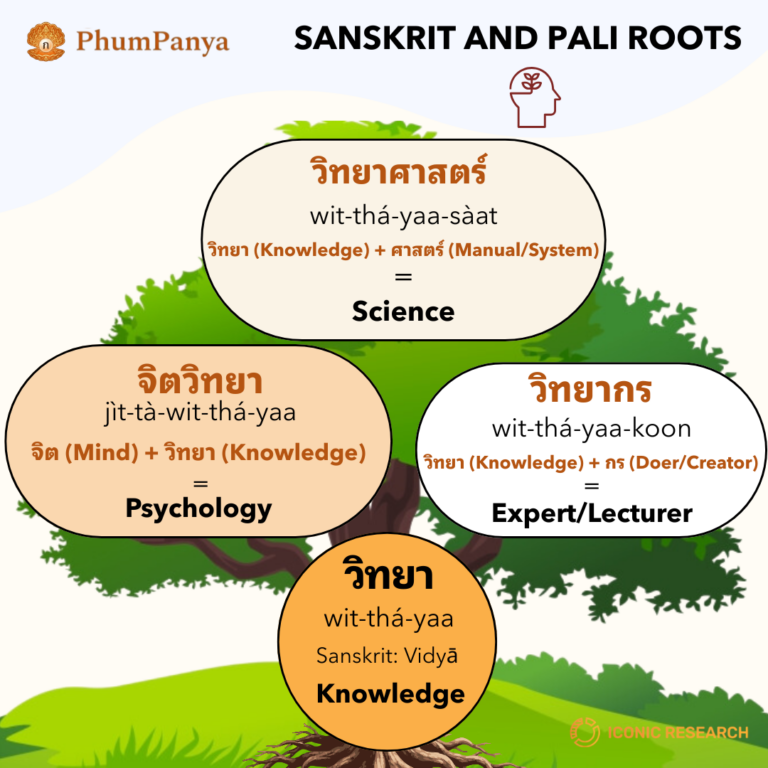
วิทยา – wit-thá-yaa – Knowledge
View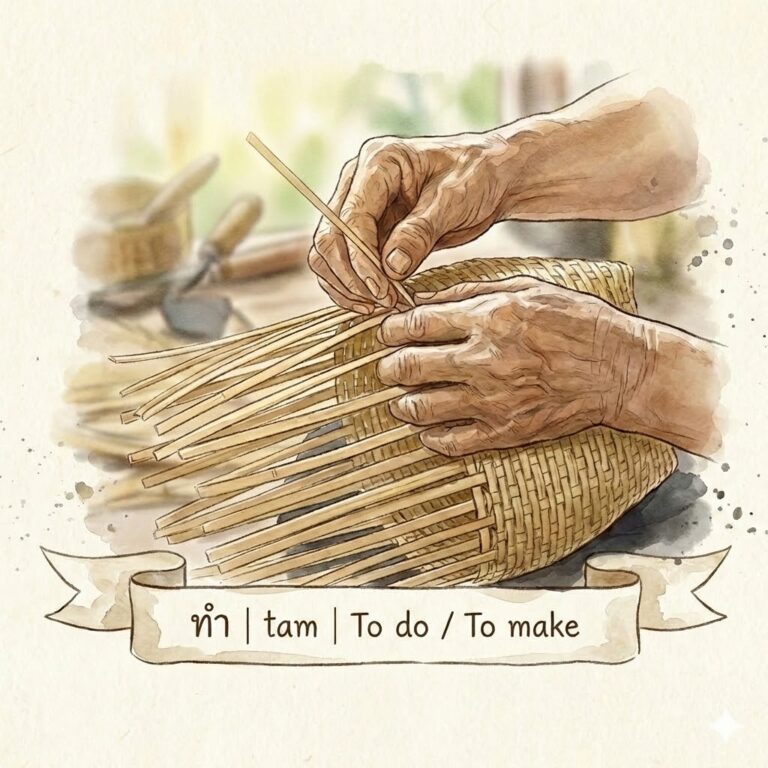
ทำ | tam | To do / To make
View
กรน | gron | To snore
Viewใจเด็ด | jai dèt | Resolute / Daring
Viewสงบ | sà-ngòp | Peaceful / Calm
Viewเลือกตั้ง | lûeak-dtâng | Election / To vote
Viewชายฝั่ง | chaai fàng | Coastline
Viewสมมติ | sǒm-mút | To suppose, To assume
Viewสมดุล | sǒm-dun | Balance / Equilibrium
Viewเผา | pǎo | To burn / To roast
Viewชายแดน | chaai daaen | Border / Frontier
Viewสำเร็จ | sǎm-rèt | Success / To Accomplish
Viewเชื่อ | chûea | To Believe
Viewมั่นใจ | mân-jai | Confident
Viewใจเดียว | jai diao | Faithful
Viewใจกล้า | jai glâa | Brave
Viewใจแป้ว | jai bpâaeo | Disheartened
Viewใจเพชร | jai pét | Iron-willed
Viewใจเสาะ | jai sò | Fragile-hearted
Viewใจชื้น | jai chúuen | Relieved
Viewใจเสีย | jai sǐa | Dismayed
Viewใจบุญ | jai bun | Charitable
Viewใจหาย | jai hǎai | Heart-stopping / Shocked
Viewใจง่าย | jai ngâai | Gullible / Yielding
Viewใจแคบ | jai kâep | Narrow-minded / Selfish
Viewใจกว้าง | jai-gwâang | Generous
Viewใจสู้ | jai sûu | Fighting Spirit
Viewใจถึง | jai thǔeng | Daring / Generous
Viewใจแข็ง | jai khǎeng | Hard-hearted / Unyielding
Viewใจอ่อน | Jai Àwn | Soft-hearted
Viewใจร้าย | jai ráai | Mean
Viewใจดำ | jai dam | Mean / Merciless
Viewใจดี | jai dii | Kind / Good-hearted
Viewใจร้อน | jai ráawn | Impatient
Viewมือบอน | muue bon | Itchy fingers / Vandal
Viewหน้าเนื้อใจเสือ | nâa-núea-jai-sǔea | Wolf in sheep’s clothing
Viewลิ้นตวัดถึงใบหู | lín dtà-wàt thǔeng bai-hǔu | Slick-tongued / Sycophantic
Viewยกเมฆ | yók mâek | To fabricate a story
Viewชุบมือเปิบ | chúp mue bpòep | Snatch the credit; Reap without sowing
Viewปากว่าตาขยิบ | bpàak wâa dtaa kà-yìp | Hypocritical (Literal: Mouth Scolds, Eye Winks)
Viewวัวสันหลังหวะ | wua sǎn-lǎng wà | A cow with a gaping back wound
Viewรำไม่ดีโทษปี่โทษกลอง | ram mâi dii thôot bpìi thôot glaawng | A bad dancer blames the flute and drum
Viewเห็นกงจักรเป็นดอกบัว | hěn gong-jàk bpen dàawk-bua | Mistake a discus for a lotus
Viewกระต่ายตื่นตูม | grà-dtàai dtùuen dtuum | Panic-stricken rabbit
Viewขี่ช้างจับตั๊กแตน | khìi cháang jàp dták-gà-dtaen | Riding an elephant to catch a grasshopper
Viewเสือซ่อนเล็บ | sǔea sôn lép | Tiger hiding claws
Viewปากหวานก้นเปรี้ยว | bpàak wǎan gôn bprîao | Sweet mouth, sour bottom
Viewตกถังข้าวสาร | dtòk tǎng khâao sǎan | Falling into a rice barrel
Viewไก่ได้พลอย | gài dâai plooi | A chicken gets a gem
Viewหมาเห่าใบตองแห้ง | mǎa hào bai-dtong hâeng | Dog barking at dry banana leaves
Viewขวานผ่าซาก | kwǎan pàa sâak | Axe splitting a hard log
Viewนกสองหัว | Nók Sǒong Hǔa | Two-headed bird
Viewน้ำนิ่งไหลลึก | nám nîng lǎi lúek | Still water runs deep
Viewสีซอให้ควายฟัง | sǐi sor hâi khwaai fang | Casting pearls before swine (Lit. Playing the fiddle for a buffalo)
Viewปิดทองหลังพระ | bpìt thong lǎng phrá | Applying gold leaf to the back of the Buddha
Viewจับปลาสองมือ | jàp bplaa sǒong muue | Catching fish with two hands
Viewกบในกะลาครอบ | Gòp nai gà-laa krôop | Frog in a coconut shell
Viewดินพอกหางหมู | din phôawk hǎang mǔu | Mud caked on a pig’s tail
Viewงู ๆ ปลา ๆ | nguu-nguu bplaa-bplaa | Snake-snake fish-fish (Smattering)
Viewงู ๆ ปลา ๆ | nguu-nguu bplaa-bplaa | Snake-snake fish-fish (Rudimentary)
Viewอุตสาหกรรม | ùt-sǎa-hà-gam | Industry
Viewเกษตรกรรม | gà-sèet-dtrà-gam | Agriculture
Viewเทคโนโลยี | thék-noo-loo-yii | Technology
Viewอนุรักษ์ | a-nú-rák | To conserve / To preserve
Viewสมาธิ | sà-maa-tí | Concentration / Meditation
Viewปรัชญา | bpràt-yaa | Philosophy
Viewความสุข | khwaam sùk | Happiness
Viewพิธีกรรม | phí-thii-gam | Ritual / Ceremony
Viewประเพณี | bprà-phee-nii | Tradition
Viewมรรยาท | man-yâat | Etiquette
Viewจรรยาบรรณ | jan-yaa-ban | Code of Conduct / Professional Ethics
Viewวิสัยทัศน์ | wí-sǎi-thát | Vision (Strategic Foresight)
Viewอิทธิพล | ìt-tí-pon | Influence
Viewพยากรณ์ | phá-yaa-gorn | Prophecy / Forecast
Viewเศรษฐกิจ | sèet-thà-gìt | Economy
Viewวัฒนธรรม | wát-thá-ná-tham | Culture
Viewอารยธรรม | aa-rá-yá-tam | Civilization
Viewโฆษณา | kôot-sà-naa | Advertisement / To advertise
Viewประสบการณ์ | bprà-sòp-gaan | Experience
Viewปฏิวัติ | bpà-dtì-wát | Revolution
Viewสถาบัน | sà-tǎa-ban | Institution
Viewพยาบาล | phá-yaa-baan | Nurse / To nurse
Viewรัฐบาล | rát-thà-baan | Government
Viewอุปถัมภ์ | ù-bpà-thǎm | Patronage / To Support
Viewใจกว้าง | jai-gwâang | Generous / Broad-minded
Viewสำนึก | sǎm-núek | Deep consciousness / To realize
Viewเห็นแก่ตัว | hěn gàe dtua | Selfish
Viewเข้าสังคม | kâo sǎng-kom | To socialize / Social navigation
Viewผิดกาลเทศะ | phìt gaa-lá-thây-sà | Socially inappropriate (literally: wrong time and place)
Viewสัมมาคารวะ | sǎm-maa-kaa-rá-wá | Proper deference
Viewวางตัว | waang dtua | to conduct oneself appropriately
Viewถ่อมตัว | thòm-dtua | To be humble; self-effacing
Viewประจบ | bprà-jòp | To curry favor / To suck up
Viewกาลเทศะ | gaan-lá-têh-sà | Social Propriety (Time and Place)
Viewมารยาท | maa-rá-yâat | Etiquette / Social Decorum
Viewพี่น้อง | phîi-náawng | Fictive Kin / Siblinghood
Viewอาวุโส | aa-wú-sǒo | Seniority
Viewบารมี | baa-rá-mii | Accumulated Moral Authority
Viewรักษาหน้า | rák-sǎa nâa | To save face / To preserve dignity
Viewเสียหน้า | sǐa-nâa | To lose face
Viewหน้าตา | nâa-dtaa | Social Prestige / Face
Viewบุญคุณ | bun-khun | Indebted Kindness
Viewกตัญญู | gà-dtan-yuu | Filial Gratitude / Deep Sense of Obligation
Viewน้อยใจ | nói-jai | to feel undervalued / to feel slighted
Viewหมั่นไส้ | màn-sâi | To be viscerally repulsed by pretentiousness
Viewเกรงใจ | greeng-jai | reluctant to impose
Viewได้ | dâai | Can / To get
Viewดู | duu | To look / To watch
View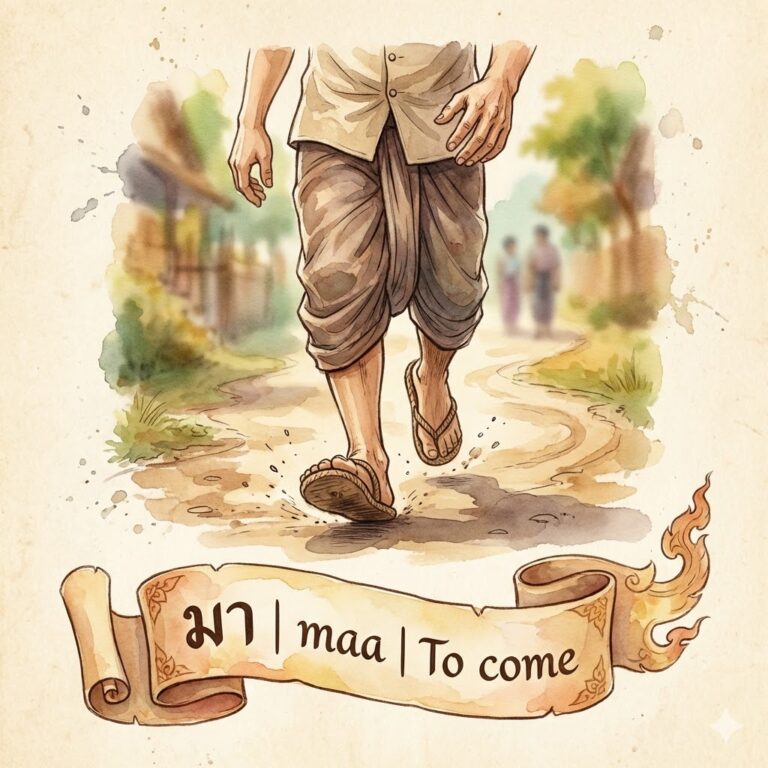
มา | maa | To come
View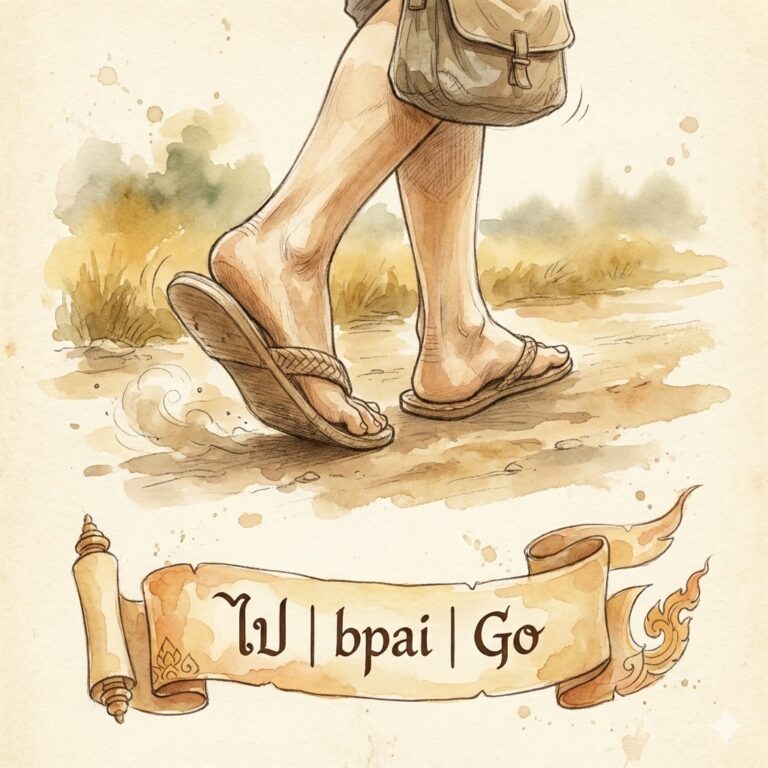
ไป | bpai | Go
Viewตัว | dtuua | Entity / Self / Body
Viewผี | pǐi | Ghost / Spirit
Viewแม่ | mâe | Mother / Source / Master
Viewของ | kǎwng | Thing / Of
Viewทาง | taang | Way / Path
Viewอยู่ | yùu | To live / To stay
Viewหู | hǔu | Ear
Viewปาก | bpàak | Mouth / Opening
Viewตา | dtaa | Eye
Viewหัว | hǔa | Head
View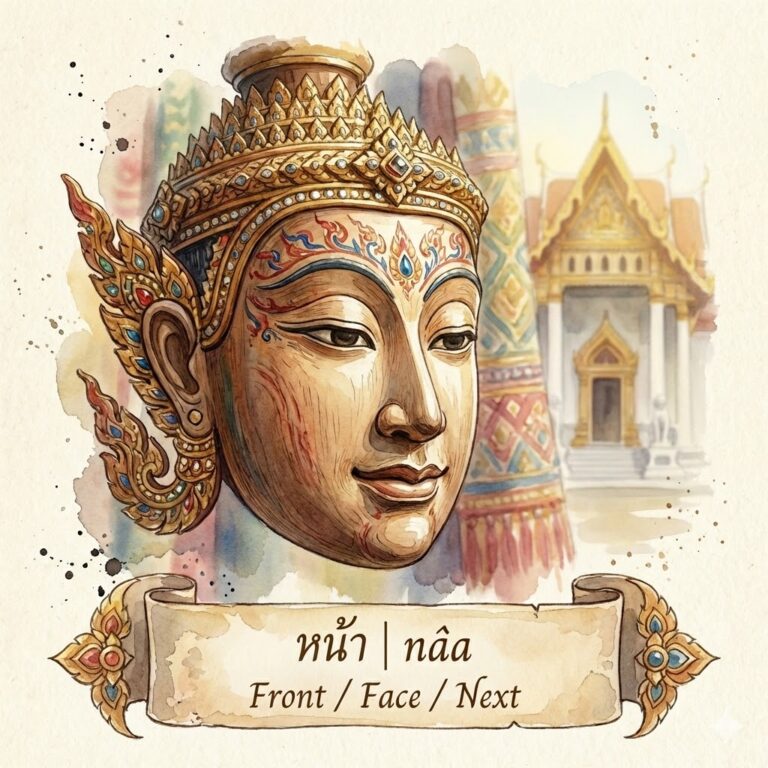
หน้า | nâa | Front / Face / Next
Viewมือ | mue | Hand / Agent
Viewไฟ | fai | Fire / Electricity
Viewเดิน | doen | To walk
View